

Highlights:
-
The Evolution into Omnichannel Ecosystems: Physical storefronts are no longer isolated sales hubs; instead, they serve as multifunctional nodes that blend with digital platforms to act simultaneously as showrooms, community spaces, and micro-fulfillment centers.
-
Tactile and Emotional Value: Physical shopping satisfies essential consumer needs that e-commerce cannot replicate, such as the ability to engage the five senses through product testing and the desire for immediate gratification and real human connection.
-
Logistical and Advertising Cost Relief: Maintaining physical locations provides organic, 24/7 brand awareness that lowers high online customer acquisition costs, while also streamlining the supply chain through hybrid fulfillment methods like in-store pickup and local returns.
-
The “Halo Effect” for Digital Brands: Digital-native brands are actively opening physical spaces to bypass growth ceilings, validate their legitimacy, and build deeper, long-term brand equity that naturally drives up digital traffic within that region.
-
Community-Centric Environments: To thrive against digital convenience, modern stores must transform into vibrant community hubs by offering experiential elements like workshops, curated live events, and integrated hospitality spaces.
For more than two decades, the narrative surrounding retail has followed a highly predictable script. We have been told that digital storefronts would entirely erase physical marketplaces, that shopping malls would become ancient history, and that algorithms would permanently replace face-to-face human interaction. In many ways, the skyrocketing growth of online shopping made this outlook feel like an absolute certainty. E-commerce platforms offered unmatched convenience, allowing consumers to browse millions of products from their couches and have them delivered to their doorsteps within days, if not hours.
Yet, if you look closely at the modern retail landscape, something fascinating is happening. Physical stores are not going extinct. Instead, they are undergoing a massive evolution. Major digital-native brands that started completely online are opening up physical locations in high-traffic shopping districts. Traditional retailers are remodeling their properties to offer experiential environments rather than just aisles of merchandise. Consumers are still walking through physical doors, handling items with their hands, and speaking with retail associates.
This reality brings us to an important intersection in modern commerce. To truly understand where the industry is going, we have to look past the oversimplified headlines declaring a retail apocalypse. Physical retail is not fighting a losing battle against digital retail; rather, the two are merging into a unified ecosystem. This comprehensive analysis will explore what physical retail means today, dive into the psychological and logistical reasons why it continues to thrive, and examine how physical environments remain a vital anchor for brand loyalty and commercial success in a predominantly digital world.
What Exactly Does Brick and Mortar Mean Today?
At its most basic level, the term brick and mortar refers to a physical street-address business that deals face-to-face with customers. It describes the traditional storefront, office, or warehouse that occupies a physical building made of actual bricks, mortar, wood, and glass. For generations, this was simply known as commerce. It was only after the rise of the internet and e-commerce in the mid-1990s that the industry required a specific term to differentiate physical storefronts from their new, virtual counterparts.
Historically, these physical properties operated as completely self-contained commercial hubs. A business owner selected a location, stocked it with inventory, opened the doors, and relied entirely on local foot traffic and regional advertising to drive sales. The transaction began and ended within those four walls. If an item was out of stock, the customer went home empty-handed. If a customer wanted to return an item, they had to bring it back to the exact same counter where they bought it.
Today, the definition of a physical storefront has expanded significantly. It is no longer just an isolated room filled with products for sale. In the modern business landscape, a physical location serves as a multi-functional node within a brand’s broader retail network. It acts simultaneously as a showroom, a community gathering space, a fulfillment center for online orders, and a living advertisement for the brand’s core values. The physical space is deeply interconnected with website platforms, mobile applications, social media channels, and third-party logistics networks.
How Did We Get to This Retail Crossroads?
To fully understand why physical storefronts still matter, it helps to trace the historical shifts that brought us to this current moment. Retail has gone through three distinct eras over the last several decades, each redefining how consumers interact with brands.
-
The Pre-Internet Dominance Era: For centuries, physical properties held an absolute monopoly on the consumer experience. Shopping was inherently geographic. If a brand did not have a store within driving or walking distance of a consumer, that consumer simply could not buy their products. Retailers focused heavily on securing prime real estate, optimizing window displays, and managing local supply chains.
-
The E-Commerce Disruption Era: The launch of early digital marketplaces completely disrupted traditional retail models. Suddenly, geographic boundaries vanished. Small businesses could reach global audiences overnight, and retail giants found themselves competing with lean, digital-native startups that didn’t have the overhead costs of managing physical properties. This period saw rapid shifts in consumer behavior, as shoppers prioritized low prices and the ultimate convenience of home delivery.
-
The Modern Omnichannel Era: We are currently living in this third phase. Brands and consumers alike have realized that neither digital nor physical retail is perfect on its own. Instead, the most resilient businesses are those that combine the speed and data tracking of e-commerce with the tactile, emotional experiences of a physical storefront.
Why Do Customers Still Want Physical Shopping Experiences?

Despite the immense convenience of buying items with a single click, millions of consumers still choose to leave their homes, find parking, and walk through the doors of a physical business. This behavior is driven by fundamental psychological and practical needs that digital platforms simply cannot replicate.
The Power of Real Touch and Product Testing
The most obvious limitation of online shopping is its inability to engage all five human senses. A high-definition photograph or a 3D video render can show you what a product looks like, but it cannot tell you how a fabric feels against your skin, how heavy a piece of furniture is, or how a specific perfume reacts with your chemistry. Physical storefronts remove the guesswork from the purchasing decision.
When a customer can try on a pair of running shoes, test the sound quality of a pair of headphones, or sit on a mattress before buying it, their confidence increases dramatically. This sensory reassurance satisfies a deep psychological need for certainty, reducing the anxiety of buyer’s remorse and eliminating the frustrating cycle of ordering items online only to return them a week later because they didn’t live up to expectations.
The Human Element and Instant Satisfaction
Humans are inherently social creatures, and shopping has historically been a communal activity. Online shopping is an isolated, transactional experience. Physical stores, on the other hand, offer meaningful human interaction. Expert store associates can provide personalized recommendations, answer complex technical questions in real-time, and offer styling advice that an automated chatbot simply cannot match.
Furthermore, physical retail fulfills the human desire for instant gratification. When you buy something online, there is always a waiting period, no matter how fast the shipping method is. There is also the constant risk of shipping delays, porch theft, or items arriving damaged. In a physical store, the transaction is immediate. You hand over your payment, the item is placed in your hands, and you walk out the door with your purchase, ready to use it right away.
What Strategic Advantage Do Stores Offer Over Online Platforms?
From a business operations perspective, maintaining physical storefronts provides deep strategic benefits that are incredibly difficult to achieve through a website alone. While physical real estate requires capital investment, it solves some of the most expensive and frustrating challenges that plague pure e-commerce companies.
Standing Out in a Crowded Digital World
The digital marketplace is unimaginably crowded. Launching an e-commerce website is easier than ever, meaning that consumers are constantly bombarded by thousands of brands competing for their attention on search engines and social media networks. This digital noise has caused online customer acquisition costs to skyrocket. Brands must spend massive amounts of money on digital advertisements just to get a consumer to click on their website, with no guarantee of a sale.
A physical storefront acts as a permanent, highly visible billboard that operates 24 hours a day, 7 days a week. Every person who drives or walks past a well-designed storefront is exposed to the brand, entirely free of digital advertising costs. This physical presence builds organic brand awareness and trust within a community, anchoring the brand in the consumer’s subconscious mind far more effectively than a fleeting social media ad.
Solving the Logistics and Shipping Dilemma
Shipping goods directly to individual residential addresses is incredibly expensive and logistically complicated. E-commerce businesses face massive financial pressures from rising carrier fees, packaging costs, and the expectation of free shipping. Furthermore, the cost of processing returns for online orders can severely damage a company’s profit margins, as returned items often require expensive inspection, repackaging, or liquidation.
Physical stores provide an elegant solution to these logistical challenges. By utilizing physical locations as micro-fulfillment centers, businesses can optimize their supply chains. Customers can buy items online and pick them up in-store, which eliminates last-mile delivery fees entirely. Additionally, when a customer returns an online purchase directly to a physical store, the business avoids return shipping costs, gets the product back onto the sales floor immediately, and often convinces the customer to browse the aisles and make an incremental purchase while they are there.
How Do Brands Bridge the Gap Between Online and Offline Retail?
The most successful modern businesses do not view their websites and physical properties as separate, competing entities. Instead, they treat them as a single, unified experience. This approach, known as omnichannel retailing, ensures that the customer receives a consistent, high-quality interaction with the brand, regardless of how or where they choose to shop.
Industry research consistently shows that consumers who interact with a brand across multiple channels—such as browsing an app, visiting a physical store, and purchasing online—spend significantly more over their lifetime compared to single-channel shoppers. Physical locations serve as the critical experiential anchor that strengthens these digital relationships.
To execute this strategy successfully, companies must integrate their backend data systems. When inventory tracking, customer profiles, and loyalty programs are shared seamlessly between the website and the physical storefront, incredible efficiencies are unlocked. For example, a customer can check their smartphone to see exactly how many units of a specific product are currently sitting on the shelf at their local store before making the trip. Likewise, a store associate can look up a customer’s online purchase history to provide highly accurate, tailored service on the sales floor.
This integration has given rise to highly popular hybrid shopping models that combine the best aspects of both worlds:
-
Buy Online, Pick Up In-Store (BOPIS): This model allows customers to browse and pay for products from the comfort of their homes, securing the items they want without paying for shipping. They can then drive to the store and pick up their order within hours, bypassing the traditional checkout lines.
-
Curbside Fulfillment: Taking convenience a step further, curbside pickup allows consumers to remain in their vehicles while store staff bring their online purchases directly to their trunks, blending the absolute safety and speed of digital ordering with the immediacy of physical inventory.
-
In-Store Ordering for Home Delivery: If a customer visits a physical location and finds that an item is out of stock in their specific size or color, associates equipped with mobile tablets can instantly check network-wide inventory, process the transaction right there, and have the correct item shipped directly to the customer’s home from a central warehouse.
Why Are Digital Native Brands Opening Physical Locations?
Perhaps the strongest evidence for the enduring value of physical real estate is the behavior of digital-native brands. Companies that built their entire reputations, customer bases, and initial valuations purely on the internet are now investing heavily in opening physical brick-and-mortar locations in major cities worldwide.
When these companies first launched, they enjoyed rapid growth by bypassing traditional retail middlemen and selling directly to consumers online. However, as they matured, many hit a growth ceiling. They discovered that relying solely on digital channels makes it incredibly difficult to reach mainstream consumers who prefer shopping in person. They also found that without a physical footprint, building deep, long-term brand equity and emotional loyalty is an uphill battle.
When an online brand opens a physical storefront, they often see a dramatic increase in digital traffic and online sales within that specific geographic region. This phenomenon proves that a physical presence validates the brand in the minds of local consumers. The physical store acts as a trust signal; it proves the company is legitimate, established, and committed to serving the community. It gives new customers a low-risk environment to discover the brand, ask questions, and make their first purchase before transitioning into loyal online shoppers.
What Does It Take to Launch a Successful Physical Store Today?
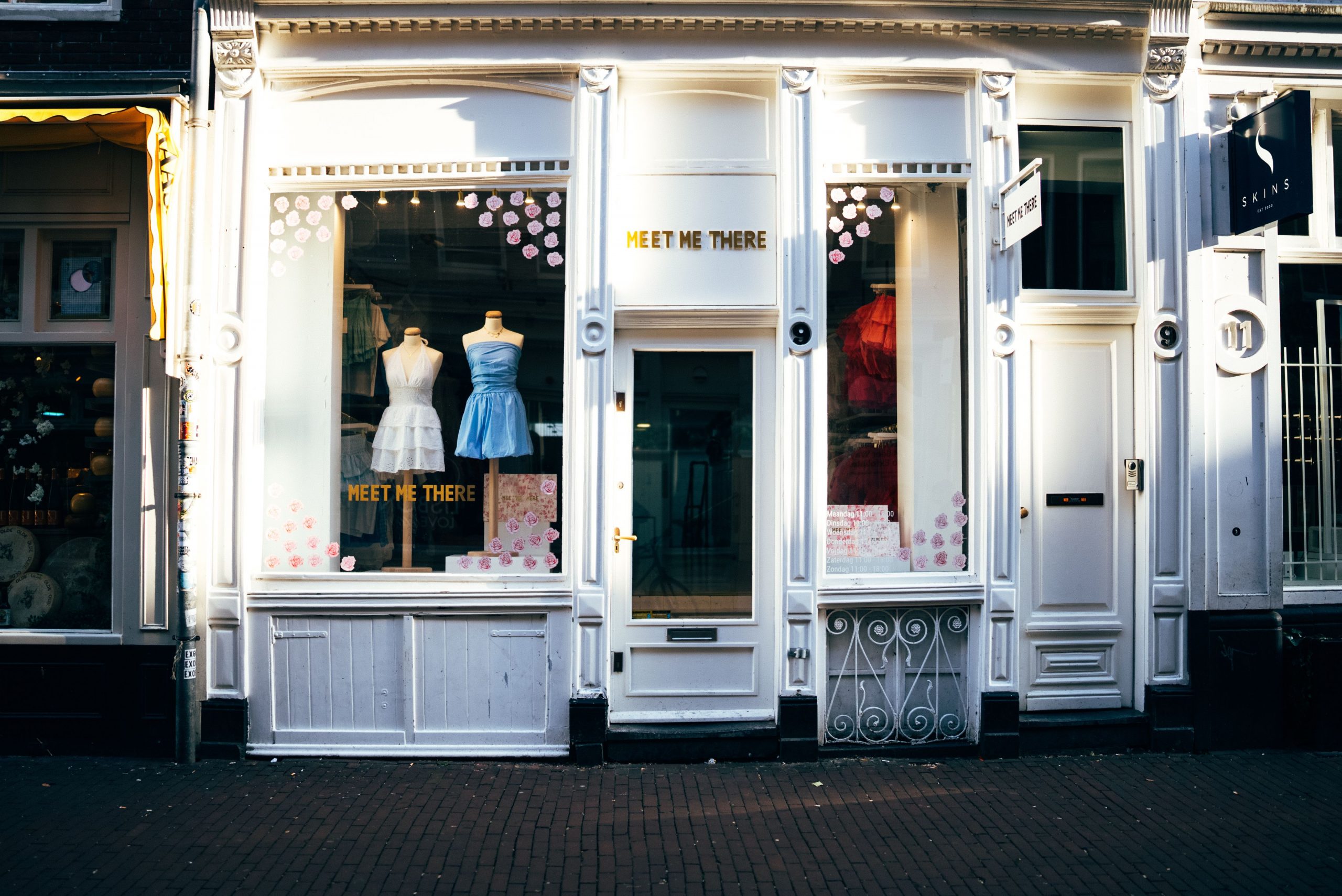
Opening a physical retail business in the modern economy is radically different than it was twenty or thirty years ago. The days of simply renting a space, hanging a sign, and waiting for customers to walk in are long gone. Today, launching a physical storefront requires a highly calculated strategy that blends real estate analytics, architectural psychology, and advanced digital integration.
First and foremost, location analysis has evolved from guesswork into a precise data science. Modern retailers utilize sophisticated geographic information systems and mobile data tracking to analyze pedestrian foot traffic, local demographics, median household incomes, and the proximity of direct competitors. The goal is to find an ecosystem where the brand’s target audience naturally congregates throughout the week.
Beyond finding the perfect location, business owners must put immense thought into the design and layout of the internal space. Modern storefronts must be optimized for both experiential browsing and rapid digital fulfillment. This means allocating space for interactive product displays, comfortable lounge areas for socializing, clear signage for online order pickups, and a seamless checkout infrastructure that prevents long, frustrating lines from forming during peak shopping hours.
Ensuring all operational components work together seamlessly requires a rigorous approach to launching. A business must carefully coordinate its grand opening marketing, staff training, inventory positioning, and local community outreach to ensure a flawless first impression. Executing a highly organized and successful brick-and-mortar store launch sets the tone for the business’s long-term survival, creating immediate local buzz and establishing a solid customer foundation that protects the brand against future market fluctuations.
How Do Physical Stores Evolve Into Community Hubs?
To remain relevant in an era dominated by digital convenience, physical spaces must offer something that a website cannot replicate: a sense of belonging and community. The retailers that are thriving today are those that have transformed their properties from simple distribution points for merchandise into vibrant, local gathering places.
This strategy relies on creating experiences that give people a reason to visit the store even when they don’t explicitly need to buy something. When a business becomes a destination for education, entertainment, or socialization, it embeds itself deeply into the fabric of the local culture, building brand relationships that are incredibly resistant to online competition.
Consider the various ways modern retailers are successfully cultivating community within their physical environments:
-
Educational Workshops and Classes: Cooking supply stores host gourmet cooking classes led by local chefs; hardware retailers run weekend home improvement workshops for DIY enthusiasts; and electronics brands offer daily tutorials on photography, coding, and digital design. These events position the store’s staff as trusted experts and give consumers the confidence to buy and use specialized products.
-
Curated In-Store Events and Guest Speakers: Bookstores invite authors for readings and signings; athletic apparel brands organize weekly running clubs that start and end at the store; and beauty retailers host exclusive evening events featuring skincare experts and makeup artists. These activities transform shopping into an engaging, interactive social event.
-
Integrated Hospitality Spaces: An increasing number of retailers are embedding specialty coffee bars, juice lounges, or small cafes directly inside their sales floors. By offering high-quality food and beverages, businesses encourage shoppers to slow down, spend more time in the environment, and associate the brand with relaxation and comfort.
What Critical Mistakes Must Traditional Retailers Avoid?
While the opportunities for physical retail are immense, the margin for error has never been smaller. Consumers have been conditioned by the internet to expect flawless service, complete transparency, and total efficiency. Physical businesses that fail to meet these modern expectations will quickly find themselves struggling to survive.
One of the most dangerous mistakes a traditional retailer can make is allowing their physical environment to become stagnant, dirty, or uninspiring. If a store looks exactly the same as it did a decade ago, with outdated fixtures, poor lighting, and disorganized shelves, consumers have absolutely no incentive to visit. The physical environment must be treated as a living, breathing representation of the brand that requires regular updates, deep cleaning, and creative visual merchandising.
Another common point of failure is neglecting staff training and employee satisfaction. The frontline workers on the sales floor are the face of the company. If a customer walks into a store and encounters associates who are disengaged, unknowledgeable, or rude, the entire brand experience is ruined. Retailers must invest heavily in hiring the right talent, providing them with continuous training on product details and customer empathy, and equipping them with digital tools to serve customers efficiently.
What Does the Future Hold for Physical Storefronts?
As we look ahead, the debate over whether online shopping will destroy physical stores is officially settled. The future of commerce does not belong to digital alone, nor does it belong to physical alone. The future belongs to the intelligent integration of both environments.
We are moving toward a retail landscape where physical storefronts will become increasingly technological, interactive, and personalized. We will see wider adoption of augmented reality mirrors that let customers try on clothing virtually, smart shelves that update pricing automatically based on real-time demand, and checkout-free technologies that allow customers to scan items with their smartphones and walk out the door without waiting in line.
Yet, no matter how advanced the technology becomes, the core purpose of the physical store will remain unchanged. It will always exist to satisfy the human need for connection, tactile exploration, and community validation. The businesses that understand this truth—those that view their physical properties not as expensive liabilities, but as invaluable strategic assets for building deep human relationships—will continue to grow, innovate, and thrive for generations to come.
