
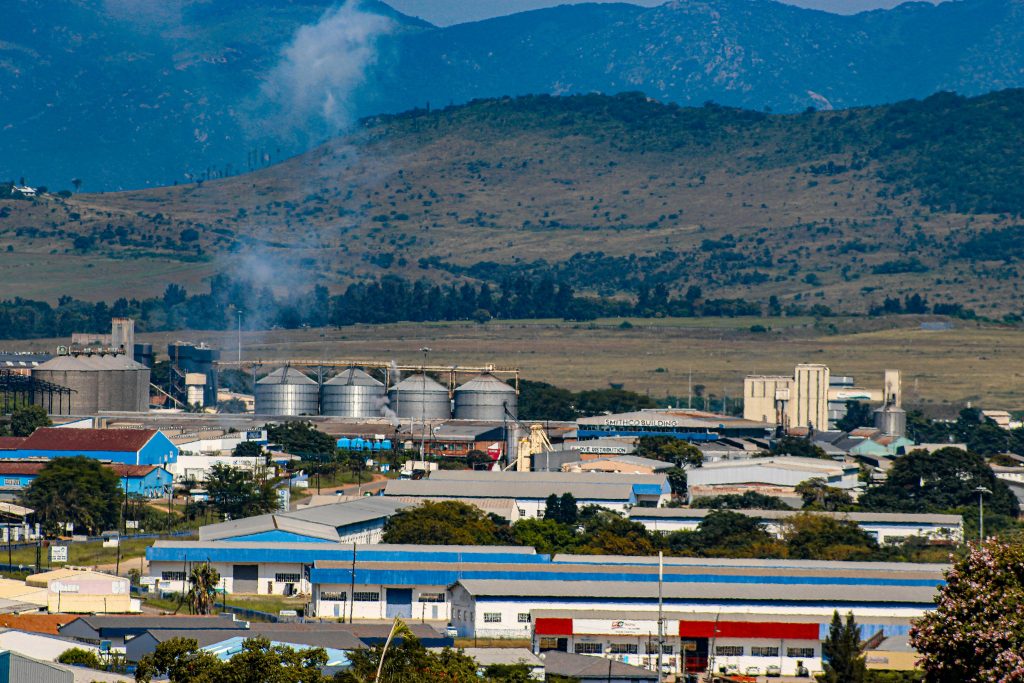
Key Takeaways:
-
Density and Distance Drive Up Costs: Rural logistics are inherently more expensive because the lack of regional shipping density results in fewer freight choices, higher carrier fees, and longer transit times for parts and products.
-
Physical Infrastructure Limits Growth: Outdated, low-capacity roads and weight-restricted bridges frequently force heavy transport trucks into long detours, making rural plants highly vulnerable to severe weather delays.
-
Labor Shortages Hit Harder: Small-town factories face a double talent crunch, struggling to recruit both local truck drivers for regional routes and specialized supply chain managers to optimize operations.
-
Technology Helps Close the Gap: Advanced Transportation Management Systems (TMS), predictive analytics, and real-time tracking tools allow remote facilities to aggregate freight volumes, optimize shipping routes, and negotiate better rates.
-
Collaboration Breeds Leverage: By forming regional shipping cooperatives, nearby businesses can consolidate small shipments into full truckloads, significantly dropping per-unit costs and attracting major national carriers.
-
Inventory Strategies Must Adapt: The fragile nature of rural supply lines makes “Just-In-Time” inventory risky; maintaining a larger buffer stock of critical components is essential to prevent costly production shutdowns.
The modern global economy is incredibly fast-paced. When a consumer clicks a button online, they expect their package to arrive within days, sometimes even hours. For manufacturing companies located in major metropolitan areas, meeting these tight timelines is a massive advantage. They sit right next to massive airports, sprawling rail yards, and major interstate hubs.
But what happens when your production line is nestled in a small mountain valley, or surrounded by hundreds of miles of farmland?
Rural manufacturing has long been the backbone of many regional economies, providing stable jobs and driving local innovation. However, operating outside major industrial corridors comes with a unique set of logistical hurdles. As consumer demands shift toward ultra-fast delivery and absolute transparency, small-town factories are finding that traditional shipping methods no longer cut it. To survive and thrive, rural manufacturers are completely rethinking how they move raw materials in and finished goods out.
What Makes Rural Logistics So Much Harder?
The core challenge of rural logistics comes down to geography and density. In a major city, a freight carrier can make dozens of pickups and deliveries within a five-mile radius. In rural areas, that same carrier might have to drive fifty miles just to reach a single factory. This lack of density creates a ripple effect of complications for small-town producers.
First, there is the problem of limited carrier options. Many national less-than-truckload (LTL) carriers—shippers that combine freight from multiple companies onto one truck—either do not service remote areas frequently or charge steep “beyond carrier” fees to make the trip. This leaves rural manufacturers reliant on a smaller pool of regional shippers, reducing their bargaining power and making them highly vulnerable to rate spikes.
Distance also complicates time-critical shipments. If a vital piece of machinery breaks down in an urban factory, a replacement part can often be delivered via a local courier within two hours. In a remote manufacturing plant, that same breakdown can halt production for days while waiting for an express delivery driver to navigate rural state highways. Every extra mile translates directly into higher fuel costs, more driver hours, and a higher probability of transit delays.
Why Is Infrastructure the Ultimate Bottleneck?
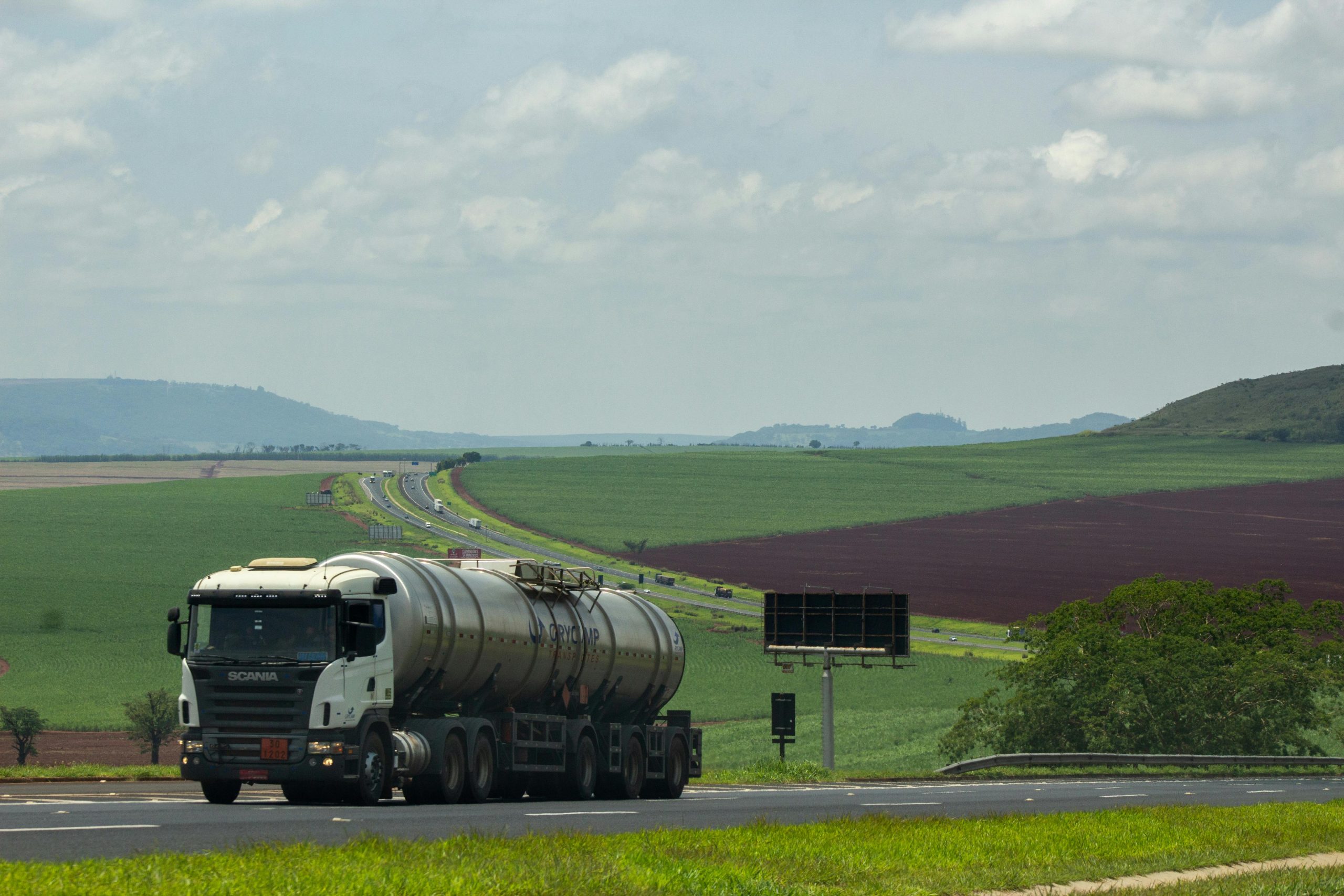
When people talk about supply chains, they often focus on software, automation, and warehouse management systems. But all the digital tools in the world cannot fix a physical road that is falling apart. For rural manufacturers, the surrounding physical infrastructure is frequently the biggest limiting factor to growth.
Many rural roads and bridges were built decades ago, designed for agricultural equipment rather than modern, heavy-duty class 8 freight trucks. Weight restrictions on bridges can force flatbeds and semi-trucks to take detours that add hours to a trip. Furthermore, two-lane roads without proper shoulders make driving in severe winter weather incredibly hazardous, occasionally cutting off facilities from the outside world entirely.
Rail access is another significant hurdle. While a rail line might run directly past a rural factory, having a dedicated spur—a short track connecting the main line to the facility—is rare and highly expensive to build. Without it, manufacturers must rely on “intermodal” shipping, which means trucking goods to the nearest rail yard. If that yard is three hours away, the cost savings of rail transport disappear quickly.
How Does the Talent Shortage Affect Small-Town Shipping?
The manufacturing sector as a whole is facing a severe labor crunch, but rural areas feel this pinch twice as hard. It is not just about finding workers to run the CNC machines or assemble the products; it is about finding the people who manage and execute the logistics.
Local truck driver shortages hit rural communities with immense force. As older drivers retire, fewer young people in remote areas are choosing to pick up long-haul trucking. Because regional carriers cannot offer the same high wages or predictable schedules as mega-fleets operating out of urban hubs, they struggle to keep seats filled. When local trucking companies lack drivers, rural factories face sudden, unpredictable capacity shortages.
Beyond the drivers, there is a growing need for specialized logistics talent. Modern supply chain management relies heavily on data analytics, freight optimization software, and international trade compliance. Attracting experienced supply chain managers or logistics analysts to small, isolated towns can be exceptionally difficult. Without this expertise on the ground, rural manufacturers often struggle to optimize their freight spend, leading to inefficient shipping routes and wasted budget.
Can Technology Level the Playing Field?
While geography cannot be changed, technology is giving rural manufacturers new ways to bypass traditional distance barriers. By embracing digital supply chain tools, remote factories can gain the visibility and efficiency needed to compete with urban rivals.
Advanced transportation management systems (TMS) are proving to be absolute game-changers. A modern TMS allows a small-town manufacturer to aggregate freight demand, making their shipping volumes look more attractive to larger national carriers. These platforms use algorithms to automatically find the most cost-effective routes, combine smaller shipments to avoid expensive LTL rates, and track digital freight brokers who have trucks empty and looking for a backhaul load near the rural facility.
-
Real-time tracking sensors: Attaching IoT (Internet of Things) cellular trackers to high-value freight allows rural manufacturers to monitor the exact location and temperature of goods, giving customers precise delivery windows.
-
Predictive demand analytics: By using software to forecast exactly when raw materials will be needed, companies can schedule freight weeks in advance, locking in lower rates before capacity tightens.
-
Cloud-based vendor collaboration: Sharing production schedules digitally with suppliers ensures that raw components arrive exactly when needed, eliminating the need to store massive, expensive inventories in remote warehouses.
What Role Does Local Collaboration Play?
When a single rural factory tries to negotiate with a massive logistics provider, they have very little leverage. However, when multiple businesses in a region team up, the dynamic changes completely. Regional collaboration is becoming a vital strategy for overcoming the geographic isolation of rural production.
By forming local shipping cooperatives, nearby manufacturers, agricultural producers, and distributors can pool their freight volumes. Instead of three different companies paying for three half-empty trucks to drive to the same city, they can consolidate their goods into a single, fully loaded truck. This dramatically lowers the per-unit shipping cost and makes the route highly profitable—and therefore highly attractive—for major freight carriers.
This cooperative mindset is also paving the way for larger economic transformations. When local governments, private investors, and regional businesses actively pool resources, they create environments capable of attracting broader supply chain investments. Over time, this collective effort lays the groundwork for developing a rural industrial complex, where shared warehousing, specialized freight terminals, and dedicated labor pools cluster together to permanently lower the cost of doing business in remote areas.
How Do Inventory Strategies Differ Out in the Country?
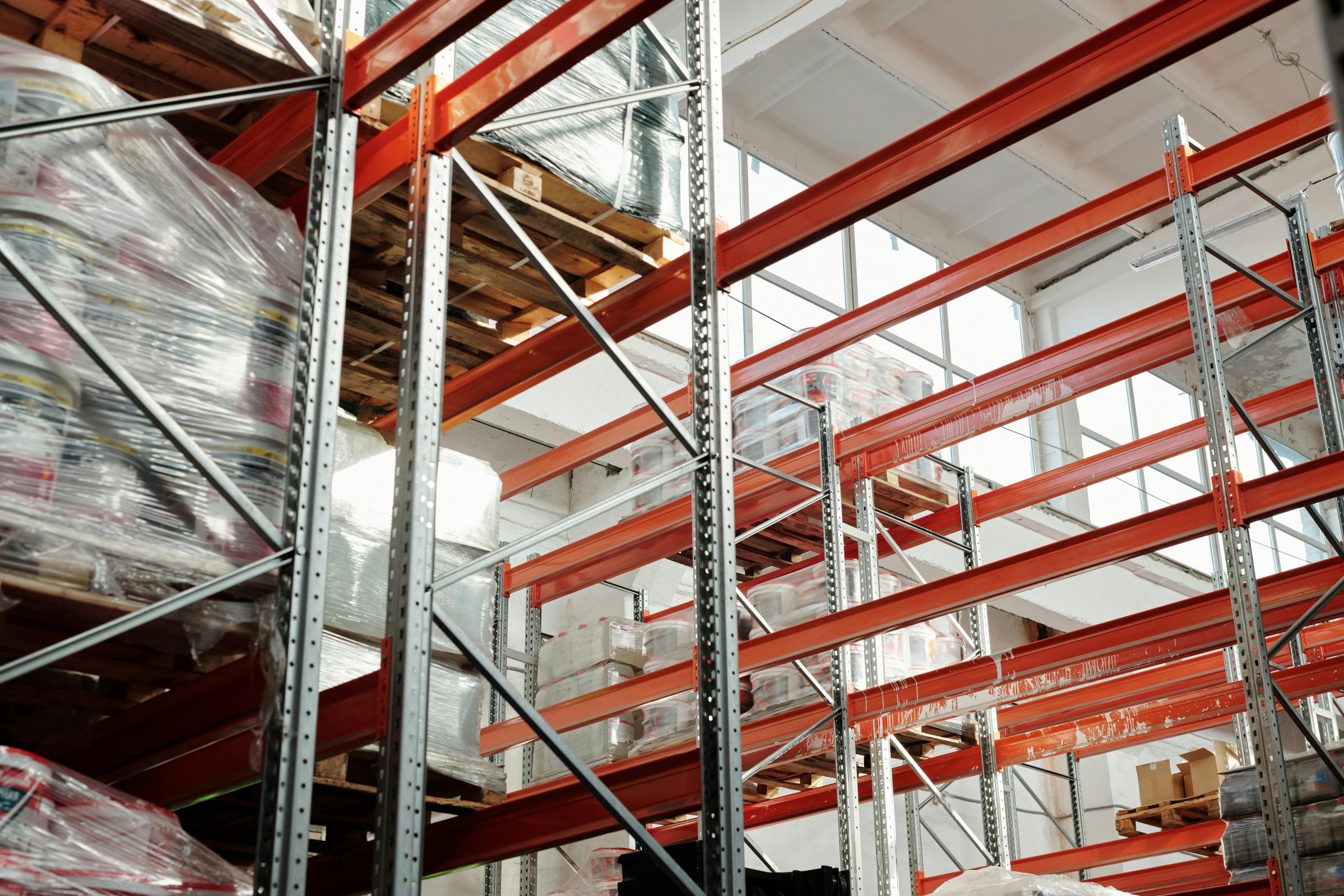
For years, the gold standard of manufacturing was “Just-In-Time” (JIT) inventory management. This strategy involves keeping almost no raw materials in stock, relying instead on suppliers to deliver components exactly hours before they are needed on the assembly line. While JIT works beautifully when a supplier is twenty minutes down the highway, it is a recipe for disaster in rural manufacturing.
A single flat tire, a highway accident, or a localized snowstorm can completely disrupt a remote factory’s JIT supply line. Because of this reality, rural manufacturers are shifting toward a “Just-In-Case” (JIC) model. This means intentionally maintaining a larger buffer stock of critical raw materials and components to weather unpredictable shipping delays.
While holding extra inventory binds up cash flow and requires more physical warehouse space, it provides a vital insurance policy against costly production shutdowns. To balance the costs, clever manufacturers use a hybrid approach: they keep tight JIT controls on cheap, easily sourced local materials, but build deep inventory buffers for specialized components that must travel long distances across the country.
Are Sustainable Supply Chains Possible in Remote Areas?
Corporate sustainability is no longer optional; major global brands are actively demanding that their suppliers reduce carbon emissions. This presents a tough paradox for rural manufacturers. Because their goods must travel significantly longer distances to reach consumers, their transport-related carbon footprint is naturally higher than that of an urban competitor.
To tackle this problem, rural operations are looking at alternative transport methods and energy-efficient practices. Whenever possible, companies are shifting freight from trucks to rail, which emits roughly 75% fewer greenhouse gases per ton-mile. For shorter regional runs, some forward-thinking manufacturers are partnering with local fleets that utilize renewable natural gas (RNG) or electric medium-duty trucks.
Inside the warehouse, sustainability takes the form of optimized packaging. Shipping heavy items surrounded by empty air is incredibly inefficient. By redesigning packaging to be tighter and lighter, manufacturers can fit more product onto a single pallet. Fewer total pallets mean fewer trucks on the road, which simultaneously drives down both transportation costs and carbon emissions.
Looking Ahead to the Future of Rural Production
Operating a manufacturing facility far away from major metro areas will always come with physical logistics challenges. The realities of distance, aging infrastructure, and lower population densities are not going away anytime soon.
Yet, the future for rural manufacturing remains incredibly bright. The rise of sophisticated supply chain software, digital freight marketplaces, and regional shipping cooperatives is rapidly closing the competitive gap between rural and urban areas. By treating logistics not just as an unavoidable cost, but as a core strategic focus, small-town manufacturers can successfully navigate the complexities of global trade, protecting their profit margins while continuing to serve as vital economic engines for their local communities.
