
Commercial real estate ownership and management carry a web of legal, regulatory, and financial obligations. Beyond the daily duties of leasing, tenant management, and basic property upkeep lies the continuous responsibility of risk management. A single unaddressed maintenance issue, an uncalibrated piece of heavy machinery, or a neglected structural component can swiftly escalate into catastrophic property damage, regulatory penalties, or severe workplace injuries. When physical safeguards fail, the downstream consequences often lead straight to civil courtroom battles. Conducting regular, comprehensive commercial property audits is the primary defensive strategy to identify vulnerabilities, maintain compliance, and protect business assets long before disputes surface.
The Standard of Care and Legal Liability Overview

Commercial landlords and facility operators are legally bound by duty-of-care standards to ensure their premises are reasonably safe for employees, contractors, and the general public. When a hazardous condition leads to an incident on-site, injured parties frequently seek legal recourse. In these scenarios, plaintiffs turn to personal injury attorneys to establish negligence by proving that a property manager knew or should have known about a dangerous defect and failed to correct it.
Legal claims often stem from preventable site hazards: slip-and-fall accidents caused by unaddressed plumbing leaks, structural failures from neglected overhead entryways, or bodily harm resulting from unmaintained heavy equipment. During litigation, failure to document routine inspections and timely repairs severely weakens a defense. A structured auditing framework allows management to establish a paper trail of proactive care, proving that reasonable measures were taken to eliminate potential hazards.
Environmental Hazards and Remediation Protocols
Older commercial buildings and industrial facilities often harbor legacy environmental risks that post severe health threats if left unmonitored. Chief among these hazards is thermal insulation, roofing material, or wall plaster installed prior to modern environmental regulations. Conducting environmental risk assessments ensures that hidden contamination is identified before disturbance occurs during renovations or routine wear.
When friable materials containing hazardous fibers are discovered, property managers must contract certified asbestos services to contain, encapsulate, or safely remove the threat. Improper handling or willful neglect of toxic environmental hazards can lead to immediate shutdown orders from government agencies and toxic tort litigation from exposed occupants. Integrating environmental assessments into regular property audits ensures that hazardous material inventories remain updated and abatement actions comply fully with state and federal requirements.
Height Safety Standards and Structural Workplaces
Falls remain one of the leading causes of severe injury and fatality across industrial, warehousing, and commercial operations. Elevated work platforms, rooftop HVAC zones, loading bays, and mezzanine storage spaces present significant liability if safety infrastructure is absent or degraded. Audits must thoroughly evaluate structural edges, access points, and elevated walkways.
Facilities must install and rigorously inspect osha compliant fall protection solutions, such as perimeter guardrail systems, self-closing safety gates, anchor points, and horizontal lifelines. Regulators strictly penalize facilities that expose workers to height hazards without certified safety measures in place. Beyond regulatory fines, a fall incident resulting from sub-standard safety barriers almost guarantees high-exposure liability litigation. Ensuring that fall arrest systems are engineered, certified, and routinely audited protects workers while insulating property owners from gross negligence claims.
Internal Mechanical Infrastructure and High-Pressure Systems
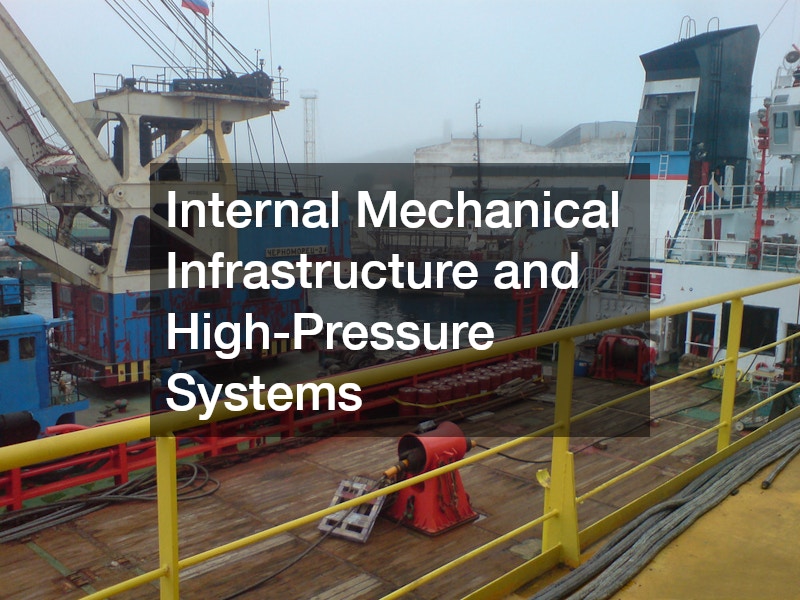
A property audit must look beyond superficial aesthetics to evaluate core mechanical infrastructure. Commercial plumbing, heating, and water heating systems operate under continuous thermal and hydraulic pressure. Over time, sediment buildup, valve corrosion, and thermal stress can lead to sudden tank ruptures, major flooding, or severe scalding risks.
Routine inspections should identify aging utility infrastructure and establish preventive maintenance contracts with qualified water heater repair companies. Unchecked hot water system failures can cause localized flooding that compromises structural floor integrity, destroys tenant inventory, and fosters toxic mold growth. By systematically testing pressure relief valves, inspecting supply lines, and replacing aging units before failure, property managers prevent water-damage liabilities and maintain uninterrupted operations for site occupants.
Specialized Transport Machinery and Warehouse Safety
In logistics hubs, distribution facilities, and manufacturing plants, material handling equipment represents a major point of operational risk. Industrial vehicles operating in tight aisles or near pedestrian pathways introduce continuous hazards if operator protocols or mechanical maintenance lapse.
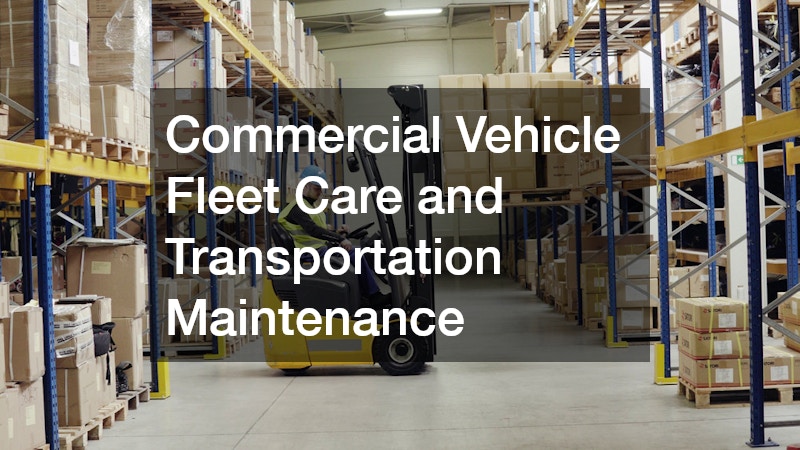
Auditing protocols must cover the mechanical condition, inspection logs, and operational safety of all forklifts used within the facility. Brake failures, fluid leaks, steering slop, or malfunctioning safety alarms on material handling trucks can cause devastating collision injuries or structural impacts with building columns. A thorough audit verifies that operators are properly certified, daily pre-shift inspection sheets are completed, and units undergoing mechanical distress are immediately tagged out of service. Proactive machinery management removes common pain points that plaintiff counsel exploit following workplace accidents.
Commercial Vehicle Fleet Care and Transportation Maintenance
Many commercial operations rely on dedicated service vehicles, delivery vans, or corporate fleets parked and operated on site. Vehicle safety overlaps directly with facility safety, as mechanical failures on business vehicles can lead to off-site traffic incidents that trace liability directly back to corporate fleet practices.
Facility audits should encompass fleet maintenance logs, verifying that vehicles receive systematic servicing through certified mechanics. Steering components, braking systems, tire tread depth, and emergency lighting must be routinely checked and documented. If an employee is involved in an accident while driving a company vehicle with pre-existing, unaddressed mechanical defects, the organization faces severe vicarious liability. Establishing standardized repair schedules and keeping clear records proves that the enterprise maintains high safety standards both inside the building and out on the road.
Heavy Overhead Access Points and Entry Safeguards
Large commercial entryways, loading dock bays, and exterior rolling doors represent heavy moving machinery that operates under extreme spring tension. Due to their high frequency of use, overhead entry systems suffer from continuous mechanical wear, cable fraying, and sensor misalignment.
Facility audits must include specialized checks performed by commercial garage door services to test auto-reverse mechanisms, tension cables, tracks, and motor brakes. A malfunctioning heavy bay door can collapse without warning, crushing equipment or inflicting fatal injuries on dock workers. Furthermore, compromised exterior doors jeopardize building security, leaving inventory vulnerable to theft and breaching lease agreements with commercial tenants. Scheduled mechanical testing and rapid repairs safeguard against catastrophic mechanical failure.
Life Safety, Detection, and Suppression Networks
Fire safety represents one of the most critical aspects of commercial real estate compliance, demanding unyielding operational oversight and strict adherence to localized safety standards. Municipal fire codes mandate that commercial structures maintain active, certified detection and suppression systems capable of alerting occupants and emergency responders instantly during an emergency event. Beyond simple regulatory compliance, these networks serve as the primary defensive line protecting human life, delicate inventory, and physical real estate assets from catastrophic destruction. The failure of a single relay or uncalibrated detector during a critical moment can rapidly turn a localized electrical flare-up into an uncontainable inferno, compounding both human tragedy and corporate financial loss.
Comprehensive property audits require working alongside licensed fire alarm companies to conduct exhaustive, documented testing across every tier of the building’s life safety infrastructure. This process goes far beyond visual checks; technicians must methodically test main control panels, addressable smoke detectors, thermal heat sensors, manual pull stations, and high-decibel alarm horns to verify seamless communication across the entire zone framework. Additionally, critical mechanical-to-electrical interfaces—such as water flow switches, main tamper valves, duct smoke detectors connected to HVAC shut-offs, and emergency backup power generators—must be rigorously verified under simulated failure conditions. Detailed physical logs of every operational test must be meticulously archived, as regulatory inspectors routinely demand complete service histories during surprise site evaluations.
Neglecting these mandatory life safety systems introduces severe legal, administrative, and operational risks. Regulatory agencies can issue immediate code violation citations, levy daily financial penalties, or even impose mandatory stop-work and occupancy closure orders that bring business operations to a complete standstill. Furthermore, insurance underwriters often require proof of up-to-date life safety certifications; unaddressed system defects or lapsed inspections can result in the immediate invalidation of commercial property insurance policies, leaving ownership completely exposed to unmitigated financial liability. In the event of a fire, a fully operational, professionally certified alarm network saves lives, minimizes physical asset damage, and establishes undeniable documentary evidence of due diligence that protects property owners against claims of gross negligence.
Environmental Sanitation and Health Code Adherence
Vector control and pest management are critical components of commercial facility upkeep that directly impact human health and structural integrity. Rodents, insects, and birds can ruin stored inventory, chew through electrical wiring—creating serious fire hazards—and spread pathogens throughout office environments or food processing plants.
Commercial audits should verify that the property maintains an active relationship with a licensed pest control service to conduct systematic inspections, baiting, and exclusion measures. Health code violations resulting from pest infestations can destroy an enterprise’s reputation, trigger regulatory shutdowns, and invite lease termination actions from tenants. Documenting regular sanitation audits and preventative treatments ensures a safe environment for building occupants while preserving the physical integrity of electrical and insulation systems.
Financial Planning, Risk Management, and Capital Reserves
Mitigating operational hazards through physical audits is only one side of the risk-management equation; financial preparedness is the other, forming the structural backbone of any durable commercial estate strategy. Identifying physical defects during an audit requires prompt, decisive capital expenditure to execute necessary repairs, retrofits, and system upgrades. When funds are constrained or unallocated, facility operators are forced into delaying critical fixes, allowing minor vulnerabilities to snowball into systemic operational threats. Deferred maintenance often accumulates not from deliberate negligence, but simply because facilities lack dedicated, liquid financial reserves designated specifically for sudden capital projects, emergency remediation, and routine mechanical overhauls.
Engaging a qualified financial planning advisor allows commercial real estate entities to structure robust capital reserve funds, systematically evaluate complex risk-transfer insurance strategies, and budget for major mechanical replacements long before critical equipment reaches end-of-life status. A structured financial advisory approach helps property managers model depreciation curves, project long-term lifecycle expenditures, and establish dynamic sink funds tailored to the property’s physical scale and operational intensity. This level of fiscal foresight prevents cash-flow bottlenecks and eliminates the reliance on high-interest emergency financing when major infrastructure fails unexpectedly. Furthermore, aligning capital allocation with legal risk assessments ensures that funds are prioritized toward high-liability zones, such as structural repairs, hazardous material remediation, or life safety upgrades.
A sound financial framework ensures that property managers possess the liquidity required to act immediately the moment an audit uncovers critical safety vulnerabilities or code deficiencies. By removing fiscal hesitation from the maintenance cycle, leadership can approve work orders instantly, closing liability windows before accidents or enforcement actions occur. Pairing physical risk audits with proactive, long-term capital planning creates a deeply resilient business model capable of absorbing severe operational shocks, maintaining seamless regulatory compliance, preserving real estate asset valuations, and shielding equity holders and investors from sudden legal liabilities and devastating civil claims.
Building a Continuous Audit Framework
An effective commercial property audit is not a one-time event, but an ongoing operational cycle. Commercial managers should establish clear schedules incorporating daily operational walkthroughs, monthly safety reviews, quarterly mechanical checks, and comprehensive annual compliance audits.
During the inspection and identification phase, facility teams evaluate core structural and environmental elements. This step covers checking environmental factors like asbestos and air quality, assessing fall protection and roof safety, examining heavy doors and loading docks, and testing plumbing and high-pressure water systems.
The documentation and evaluation phase shifts focus to data recording and compliance checks. Management logs all physical vulnerabilities, reviews vehicle and forklift maintenance records, and compares existing facility conditions against current OSHA standards and municipal building codes to catch regulatory gaps early.
The repair and specialized servicing phase requires immediate operational action. Facility operators engage certified mechanics and specialized contractors, schedule mandatory life safety testing with licensed fire alarm teams, and implement routine sanitation and pest control protocols to maintain health and structural integrity.
The capital planning and legal safeguarding phase ensures long-term enterprise resilience. Property leaders consult financial advisors to fund necessary capital reserves and systematically archive audit documentation to establish an unbroken chain of due diligence, guaranteeing complete preparedness in the event of legal scrutiny or liability claims.
Proactive property audits bridge the gap between physical facility maintenance, regulatory compliance, legal risk management, and long-term financial stability. By systematically assessing structural safety, servicing utility infrastructure, maintaining heavy machinery, and preserving environmental health, commercial property operators protect their occupants, preserve asset values, and effectively head off costly civil litigation before it ever takes root.
