
Every business, from a small retail shop to a growing manufacturer, eventually faces the same challenge: figuring out which physical assets are worth the money and which ones will drain the budget without adding real value. It is easy to overspend on equipment you do not need or underspend on something critical to daily operations. A smart budget starts with understanding what your business actually uses, how long assets last, and where hidden costs tend to hide. This guide breaks down the practical steps for planning asset purchases so your money goes toward things that genuinely support growth.
Start With an Honest Inventory of What You Already Own
Before adding anything new to the budget, take stock of the equipment, structures, and systems already in use. Many businesses discover they are paying to maintain assets that no longer serve a purpose, or worse, they forget about aging equipment until it fails unexpectedly. A thorough audit prevents both problems by giving you a clear picture of what you have, what it’s worth, and what it’s costing you. Walk through every department and create a simple log for each asset: purchase date, current condition, usage frequency, and estimated remaining lifespan. For example, a delivery van used daily for five years may need replacing within the next twelve months, while a backup printer used twice a month could last another decade. Rating each item on a simple scale (excellent, functional, failing) makes it easy to prioritize what needs attention first. This step also forces you to confront maintenance costs that often hide in the budget. A piece of machinery costing $2,000 a year in repairs might be cheaper to replace outright than to keep patching, especially if downtime is factored in. Comparing annual upkeep costs against replacement price and financing options gives you real numbers instead of guesses. This step alone often reveals immediate savings, since some assets can be sold, repurposed, or retired instead of replaced. Unused office furniture, outdated computers, or redundant tools sitting in storage can be liquidated for cash that offsets new purchases. Even assets still in use might be reassigned to a different department instead of buying a duplicate, cutting costs before a single new line item hits the budget.
Before you can budget intelligently, you need to know exactly what you’re working with. Walk through every space your business occupies and physically account for equipment, furniture, vehicles, and technology — don’t rely on memory or old purchase records alone, since assets get moved, forgotten in storage rooms, or quietly retired without anyone updating a spreadsheet. A thorough inventory also helps you spot patterns, like which equipment breaks down most often or which spaces are underused. For example, if you’re replacing the same printer part three times a year, that’s a signal the machine is nearing the end of its useful life rather than needing another patch repair. Similarly, noticing that half your warehouse racking sits empty might mean future storage purchases can wait. Photographing and logging serial numbers, purchase dates, and warranty information makes future planning much easier. Include the original cost, estimated current value, and expected remaining lifespan for each item, since this data lets you forecast replacement timing instead of reacting to sudden breakdowns. A simple spreadsheet or free asset-tracking app is usually enough for small operations; larger businesses may benefit from barcode tagging to keep the list accurate as items move between locations. This record becomes the foundation for every budgeting decision that follows. Once it’s built, review it quarterly rather than treating it as a one-time exercise, since assets age, depreciate, and shift in usefulness far faster than most owners expect.
Have an Expert Evaluate Assets Before You Commit to Anything
Guessing at the remaining lifespan of a building, roof, or piece of heavy equipment is one of the costliest mistakes a business owner can make. A formal condition assessment, performed by a qualified inspector or engineer, gives you an objective picture of what needs immediate attention versus what can wait a few years. These assessments typically grade each component on structural soundness, safety risk, and expected remaining service life. Having this data in hand means you are budgeting based on facts rather than assumptions.
Many owners are surprised to learn that a condition assessment can actually save money upfront by identifying minor repairs that prevent expensive failures later. It also creates a paper trail that is useful for insurance purposes and for negotiating with contractors. Treat this step as a non-negotiable part of your planning process, especially before any major renovation or expansion project.
Budget for Building Envelope and Structural Needs
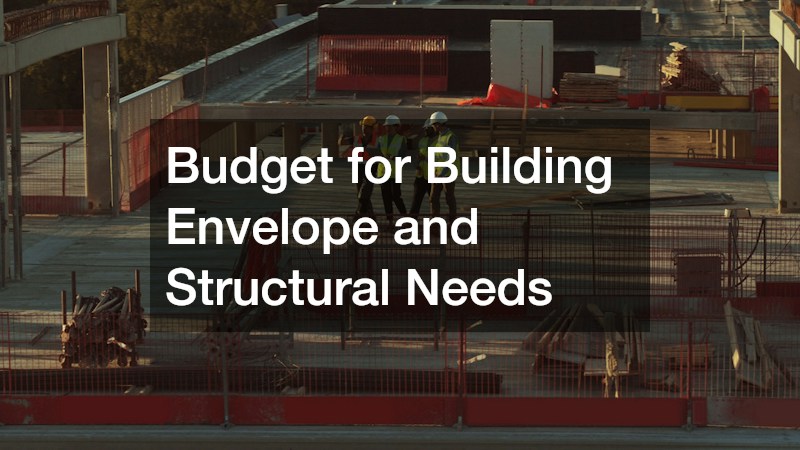
The building itself is often the largest physical asset a business owns, and its condition affects everything from energy costs to employee safety. Roofing is a common budget item that gets overlooked until a leak causes damage to inventory or equipment, so it pays to have roofers inspect the structure on a regular schedule rather than waiting for visible problems. A well-maintained roof also extends the life of insulation, wiring, and interior finishes, which reduces long-term repair costs. Setting aside a small annual reserve for roof maintenance is far cheaper than an emergency replacement.
For businesses that need to expand storage or production space quickly, clear span buildings offer a flexible option that avoids the cost and delay of traditional construction. These structures use a frame design without interior support columns, which means the entire footprint can be used for equipment, inventory, or workspace. Because they are often modular, they can be sized to match current needs and expanded later without starting from scratch. Including this option in your budget conversation can prevent overspending on permanent construction when a temporary or semi-permanent solution would work just as well.
Plan for Perimeter Security and Site Boundaries
Physical security is a budget category that many business owners underestimate until a break-in, liability issue, or zoning requirement forces the issue. Fence installation around a property or storage yard protects inventory, controls foot traffic, and can even reduce insurance premiums by demonstrating a proactive approach to security. The cost varies significantly based on material choice, from chain link to more durable options, so it helps to get several quotes before settling on a budget figure. Factoring in gate automation, lighting, and signage at the same time avoids a second round of expenses down the line.
Boundary work also ties into local codes and neighbor relations, so it is worth checking permit requirements before committing to a design. Businesses that skip this step sometimes face costly rework after failing an inspection. Building this line item into your annual or multi-year budget, rather than treating it as an afterthought, keeps the project from becoming a rushed, reactive expense.
Account for Waste Removal and Site Cleanup Costs
Any project involving construction, renovation, or equipment turnover generates waste that needs to be hauled away, and this cost is frequently left out of initial budget estimates. Renting a dumpster rental unit for the duration of a project is usually far cheaper than paying for multiple trips to a disposal site with a company vehicle. Sizes range from small units suited for office cleanouts to large roll-off containers for major construction debris. Getting an accurate estimate of the volume of waste ahead of time helps you avoid paying for a container that is too big or having to order a second one because the first filled up too fast.
It also pays to ask about weight limits and prohibited materials, since certain items like electronics or hazardous waste require separate disposal arrangements. Scheduling delivery and pickup around your project timeline prevents debris from sitting on site longer than necessary, which can create safety hazards or code violations. Treat waste removal as a standard line item in any renovation or equipment upgrade budget, not an unexpected add-on.
Factor in Heating, Cooling, and Water Systems

Climate control and water quality directly affect employee comfort, product storage, and equipment longevity, making these systems a priority in any asset budget. Scheduling regular air conditioning repair before peak summer months can prevent a full system failure that disrupts operations and costs far more to fix under emergency conditions. A basic maintenance contract is often cheaper over several years than paying for one-off emergency service calls. Businesses that rely on climate-sensitive inventory, like food or pharmaceuticals, should treat this budget line as essential rather than optional.
Water quality is another area that gets overlooked until it becomes a visible problem, such as staining, odor, or equipment scaling. Installing water filtration systems can protect plumbing, extend the life of water-using equipment, and in some industries is necessary to meet health and safety standards. The upfront cost depends on the size of the building and the specific contaminants being addressed, so a water test is a worthwhile first step before choosing a system. Budgeting for periodic filter replacement and system checks keeps the investment working as intended for years.
Include Specialized Equipment for Seasonal or Industry-Specific Needs
Some businesses require equipment that only gets heavy use during certain times of year, and this seasonal nature makes budgeting trickier than for everyday assets. Companies involved in snow plow blade manufacturing supply equipment that municipalities, landscaping companies, and property managers rely on heavily for a few months but that needs to be stored and maintained the rest of the year. If your business depends on this kind of seasonal equipment, budgeting for off-season storage, inspection, and minor repairs prevents a scramble when the first snowfall hits. Building a replacement schedule based on wear patterns, rather than waiting for a breakdown mid-season, keeps operations running smoothly when demand is highest.
Industry-specific equipment often has a longer lead time for ordering and repair parts, so planning purchases several months ahead of the season they are needed is a smart practice. Keeping a small reserve fund specifically for this category, separate from general equipment budgets, helps avoid cash flow strain when a big-ticket item needs attention. Reviewing supplier contracts annually also ensures you are getting fair pricing as your equipment needs change.
Consider Flooring and Structural Surface Upgrades
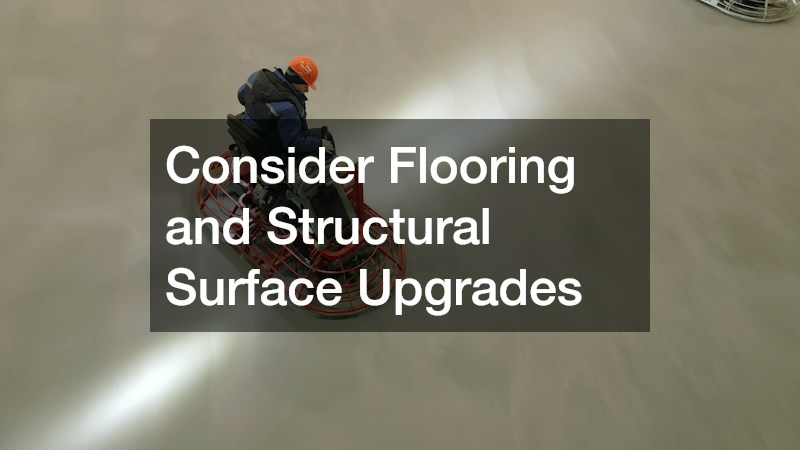
Floors and decking surfaces take a beating in commercial settings, whether from foot traffic, heavy equipment, or exposure to the elements. Composite metal decking is increasingly popular for businesses building or renovating multi-level facilities because it combines structural strength with a lighter weight than solid concrete alternatives. This material can reduce both material costs and installation time, which matters when a construction budget is already stretched thin. It also tends to hold up better under heavy loads, which is a consideration for warehouses or manufacturing floors.
When budgeting for surface upgrades, it helps to compare the lifespan and maintenance needs of different materials rather than choosing based on upfront price alone. A slightly higher initial investment in durable decking or flooring often pays off through fewer repairs and less downtime. Getting quotes from multiple contractors and asking about load ratings ensures the material matches your actual usage needs.
Plan for Marketing and Trade Show Assets
Physical assets are not limited to buildings and machinery; anything a business uses to represent itself at events or trade shows also deserves a line item in the budget. A custom trade show booth is a significant investment, but it can be used repeatedly over several years if built with durable materials and a modular design. Businesses that attend multiple events annually often find that owning a booth is more cost-effective than renting a generic setup each time. Factoring in storage, transportation, and periodic refreshes of graphics keeps this asset relevant as branding evolves.
Before committing to a design, it is worth mapping out how many events the booth will realistically be used for each year to justify the cost. Some companies choose a smaller modular system that can be reconfigured for different booth sizes depending on the venue. Including a small annual budget for cleaning, repairs, and updated signage extends the life of this investment well beyond the first show.
Final Thoughts
Budgeting for physical assets is less about finding the cheapest option and more about matching each purchase to a real, documented need. Starting with an honest inventory, backed by a professional condition assessment, gives you the data to prioritize spending instead of reacting to emergencies. From there, working through building structure, security, waste management, climate systems, seasonal equipment, surfaces, and marketing assets one category at a time keeps the process manageable. Take these steps now, even in a simple spreadsheet, and you will be far better positioned to make confident, informed decisions the next time a major purchase comes up.
