

Few things close a restaurant or food business faster than a failed health inspection. For owners, a single violation can mean lost revenue, a damaged reputation, and weeks of paperwork to reopen. For customers, understanding these risks helps you make smarter choices about where you eat and shop. This guide breaks down the most common health code violations that trigger shutdowns and what business owners can do to prevent them.
Improper Food Storage Temperatures
Food held at unsafe temperatures is one of the fastest ways to earn a critical violation. Bacteria multiply rapidly between 41 and 135 degrees Fahrenheit, often called the temperature danger zone, and inspectors check this first during any visit. Walk-in coolers, freezers, and hot-holding units are all monitored closely because a single malfunctioning unit can spoil an entire inventory and create a foodborne illness risk.
Repeated temperature violations signal a pattern of neglect rather than a one-time mistake, and that distinction matters to regulators. Businesses that fail to log temperatures consistently or ignore faulty equipment are far more likely to face closure than those that catch problems early.
- Cold food must stay at 41 degrees Fahrenheit or below
- Hot food must stay at 135 degrees Fahrenheit or above
- Thermometers should be calibrated weekly
- Walk-in units need daily temperature logs
- Equipment repairs should never be delayed past 24 hours
Poor Employee Hygiene Practices
Inspectors pay close attention to how staff handle food, wash their hands, and manage illness reporting. A worker who touches ready-to-eat food with bare hands, skips handwashing after using the restroom, or comes to work sick creates a direct path for contamination. These lapses are visible during inspections and are treated as serious risks to public health.
Training gaps are usually the root cause, not malice. Businesses that invest in regular hygiene refreshers and post clear handwashing signage in employee areas tend to avoid these violations altogether.
- Handwashing stations must be stocked and accessible
- Gloves should be changed between tasks
- Sick employees must be kept off the line
- Hair restraints and clean uniforms are often required
- Jewelry and unclean nails can trigger citations
Pest Infestations and Sanitation Gaps
Evidence of rodents, cockroaches, or flies is one of the quickest ways to trigger an emergency closure. Inspectors look for droppings, nesting materials, and entry points like gaps under doors or cracks in walls. Even a small infestation suggests a larger sanitation problem that needs immediate attention before it spreads to food storage areas.
Prevention is far cheaper than remediation. Regular pest control contracts, sealed entry points, and proper waste management go a long way toward keeping a facility compliant and avoiding a shutdown notice.
- Dumpsters should be sealed and placed away from entrances
- Drains and grease traps need regular cleaning
- Cracks and gaps in walls should be sealed promptly
- Pest control visits should be documented
- Standing water anywhere on site should be addressed immediately
Wastewater and Septic System Failures
Plumbing problems rank among the most overlooked causes of health code violations, especially for businesses located outside city sewer lines. A failing or overflowing septic system can contaminate groundwater, create foul odors, and attract pests, all of which are grounds for immediate closure. Restaurants, hotels, and other high-volume operations put heavy daily strain on their systems, which makes routine maintenance essential rather than optional.
Scheduling commercial septic system pumping on a regular basis helps prevent backups before they become a public health emergency. Business owners who wait until there’s a visible problem often face higher repair costs and longer closures than those who stay ahead of maintenance schedules. Working with a licensed septic service also provides documentation that can be shown to inspectors as proof of proper upkeep.
- Septic systems should be inspected at least once a year
- High-volume businesses may need pumping more than once annually
- Warning signs include slow drains and sewage odors
- Backups near food prep areas are treated as critical violations
- Maintenance records should be kept on file for inspections
Cross-Contamination Between Raw and Ready-to-Eat Foods
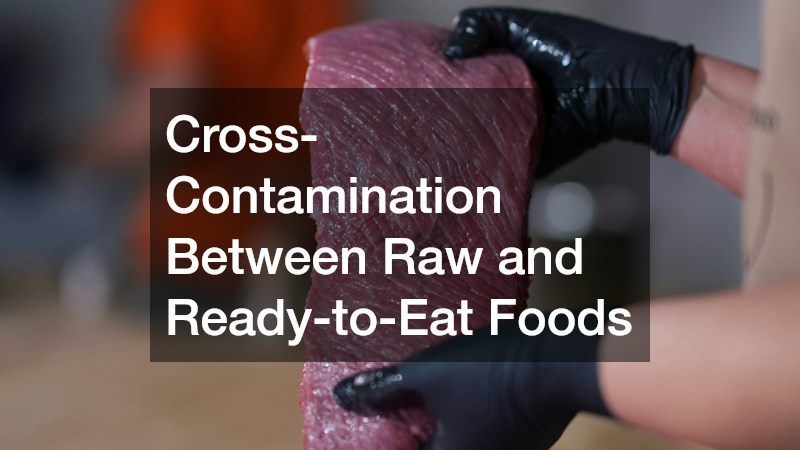
Mixing raw meat, poultry, or seafood with foods that won’t be cooked again is a major violation because it can transfer harmful bacteria like Salmonella, E. coli, and Listeria directly to the customer. This risk, known as cross-contamination, doesn’t require direct contact — it can happen through shared knives, unwashed hands, dripping juices in a cooler, or even airborne splatter during food prep. Just one lapse can trigger a foodborne illness outbreak, and health departments treat these violations as critical because the consequences land on the customer’s plate. Inspectors check cutting boards, storage shelves, and prep surfaces for signs that raw and ready-to-eat items have come into contact. They’ll also look at refrigerator organization, since raw proteins stored above ready-to-eat items can drip contaminated juices downward onto foods below. Staff hygiene habits, like glove changes and handwashing between tasks, are often observed closely as well. Color-coded equipment and clear storage protocols are the simplest ways businesses prevent this risk. Many kitchens assign red cutting boards for raw meat, yellow for poultry, and green for produce, so cross-use becomes immediately obvious. Proper cold storage order also matters: raw poultry should sit on the lowest shelf, followed by whole cuts of meat, with ready-to-eat foods and produce stored on top where they can’t be contaminated by drips. Staff training reinforces these systems day to day. Clear labeling, routine sanitizing schedules, and simple visual reminders near prep stations help employees maintain safe separation even during busy rushes, when mistakes are most likely to happen.
Staff training plays a big role here too, since cross-contamination often happens during rushed prep periods rather than through ignorance of the rules. A cook who knows the rules perfectly can still grab the wrong cutting board when six tickets are up and the walk-in just ran low on prepped vegetables. Inspectors see this pattern constantly: violations spike during peak service hours, not during slow afternoons when staff have time to think. Color-coded cutting boards and utensils make the right choice the easy choice — red for raw meat, green for produce, yellow for poultry, and so on. Clear labeling and designated prep zones reduce the chance of a costly mistake during a busy shift, especially when raw proteins and ready-to-eat items are stored on different refrigerator shelves rather than side by side. Storage order matters just as much as prep zones. Raw chicken should sit on the bottom shelf of a cooler, below raw beef and pork, with ready-to-eat foods like salads, deli meats, and garnishes stored on top where dripping juices can’t reach them. A single mislabeled container or a cutting board rinsed instead of fully sanitized between uses is often all it takes to trigger a critical violation on an inspection report. Regular refresher training, not just onboarding, keeps these habits intact as kitchens turn over staff. Many restaurants schedule quick five-minute huddles before each shift to reinforce proper handling, which costs almost nothing but can prevent a violation that shuts the doors for days.
- Use separate, color-coded cutting boards for raw and ready-to-eat foods (e.g., red for raw meat, green for produce)
- Store raw meat, poultry, and seafood on the lowest shelf, below produce and ready-to-eat items, to prevent drips from contaminating other foods
- Within raw meat storage, stack by required cooking temperature — poultry on the bottom, then ground meat, then whole cuts of beef or pork
- Clean and sanitize surfaces, knives, and utensils between handling different food types, using a sanitizer solution at the correct concentration
- Label storage containers clearly by food category and date to prevent mix-ups and track freshness
- Train staff on proper prep sequencing during rush hours, such as prepping produce before raw meat to limit cross-contact
- Designate separate prep areas or staggered prep times for allergens and raw proteins when kitchen space is limited
Health code violations rarely appear overnight; they build up from small lapses in temperature control, hygiene, sanitation, or plumbing maintenance. Business owners who take a proactive approach, including regular inspections, staff training, and consistent equipment upkeep, dramatically reduce their risk of a forced shutdown. If you’re evaluating a business or simply want peace of mind as a customer, knowing these common violation points gives you a clearer picture of what responsible operations look like. The next step for any owner is a thorough self-audit paired with professional support where needed, before a surprise inspection forces the issue.
