

Planning a large scale business event often starts with a tidy spreadsheet covering the venue, catering, and entertainment, only for the final bill to arrive thousands of dollars over budget. The gap usually comes from costs nobody thinks to list until they are already a problem: sanitation, permits, insurance, cleanup, and liability exposure. Whether you are organizing a corporate conference, a trade show, or a community festival, understanding these hidden expenses before you sign contracts can save your organization real money and real headaches. This guide walks through the most commonly overlooked line items so you can build a budget that actually holds up.
Sanitation and Restroom Facilities for Outdoor Venues
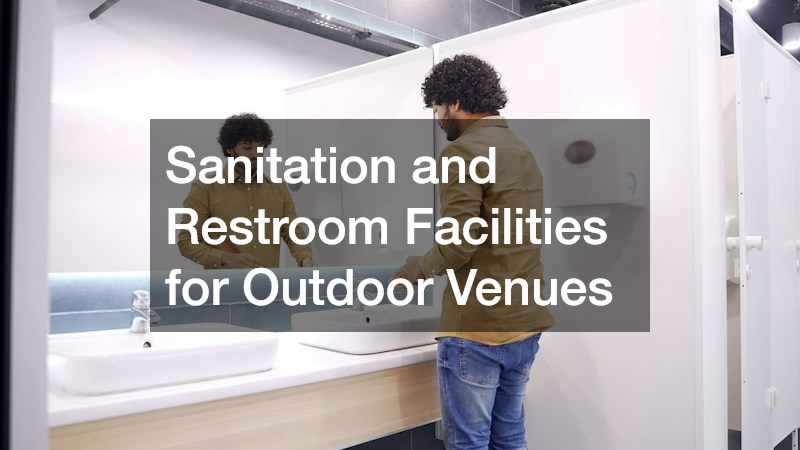
Any event held outdoors or in a venue without sufficient built-in facilities needs a sanitation plan long before the guest list is finalized. Many first-time event planners assume existing restrooms will be enough, then discover mid-event that lines are backing up and guests are frustrated. Budgeting for portable restroom rentals early in the planning process lets you compare vendors, reserve units ahead of peak season, and avoid rush fees that come with last-minute bookings. The cost scales with headcount, event duration, and whether you need upgraded units with running water or ADA-accessible options.
Local health codes often dictate minimum restroom-to-guest ratios, and failing to meet them can result in fines or even a shutdown order from inspectors. It helps to request a written quote that includes delivery, pickup, and servicing during multi-day events, since some companies charge separately for each visit.
- Estimate one unit per 50 to 100 guests for events lasting four hours or more
- Ask about weekend and holiday surcharges before booking
- Confirm whether handwashing stations are included or billed separately
- Factor in ADA-compliant units if your venue requires accessibility compliance
- Request servicing schedules for multi-day events to avoid overflow issues
Permits and Local Regulatory Fees
Nearly every large gathering requires some form of permit, whether it is a noise variance, a temporary food service license, a fire marshal inspection, or a street closure authorization. These fees vary widely by municipality and are frequently underestimated because planners assume one permit covers everything. In reality, a single event might need separate approvals from the health department, the fire department, and the local parks or transportation authority. The costs add up quickly once you account for each agency separately.
A temporary food service permit might run $75 to $500 depending on the city and number of vendors, while a noise variance for extended hours can cost several hundred dollars on top of a possible refundable deposit. Street closures often require both a permit fee and reimbursement for police details or barricade rentals, which can push costs into the thousands for a multi-block footprint. Timing matters as much as cost. Many municipalities require applications 30 to 90 days in advance, and missing that window can mean expedited processing fees or, worse, a denied application that forces a last-minute venue change. Some jurisdictions also require a pre-event walkthrough with the fire marshal, which may surface additional requirements like extra extinguishers, wider aisle clearances, or a capped attendance number you hadn’t budgeted around.
It helps to build a permit checklist specific to the host city rather than relying on experience from a previous location, since requirements rarely transfer cleanly across jurisdictions. Budgeting an extra 10 to 15 percent above quoted permit fees is a reasonable buffer for inspection follow-ups, re-filing costs, or unexpected local ordinances that only surface once the application is under review.

The timeline for permit approval can also affect your budget indirectly. Rushed applications sometimes carry expedite fees that run anywhere from a flat $50 surcharge to double the standard permit cost, depending on the jurisdiction. Missing a deadline can force you to downsize your event, relocate to a less suitable venue, or pay penalties that eat into funds earmarked for other line items. Different permits also move at different speeds. A noise ordinance waiver might clear in a week, while a temporary liquor license or street closure permit can take six to eight weeks and often requires a public notice period or city council review. If your event involves tents, staging, or temporary structures, add fire marshal inspections to the timeline, since these are frequently scheduled separately from the main permitting process.
Building a permit checklist at least two to three months in advance gives you room to budget accurately and avoid surprises. List each required permit, its issuing agency, base cost, estimated processing time, and any renewal or inspection fees tied to it. This also creates a natural buffer for resubmissions, since many applications get kicked back the first time over incomplete paperwork or missing insurance documentation.
Liability Insurance and Risk Coverage
Large events bring large crowds, and large crowds bring a measurable chance of accidents, from a guest tripping over cabling to a slip on a wet floor near a beverage station. Most venues require proof of general liability insurance before they will even sign a contract, and the premium depends on expected attendance, activities offered, and whether alcohol is served. Skipping this coverage to save money upfront is one of the costliest mistakes an event organizer can make.
Event insurance policies can also be extended to cover weather cancellations, vendor no-shows, and equipment damage, which are all realistic risks for outdoor or multi-vendor events. Getting quotes from two or three insurers lets you compare not just price but what is actually excluded from coverage, since exclusions are where organizers get caught off guard.
- Confirm whether the policy covers third-party vendors and contractors
- Ask if liquor liability is included if alcohol will be served
- Check cancellation and weather-related clauses for outdoor events
- Request proof of coverage documentation early for venue approval
Legal Exposure When Accidents Happen
Even with insurance and careful planning, accidents at large events sometimes lead to legal disputes, and it helps to understand that landscape before you are in the middle of one. If a guest is injured on-site, they may consult personal injury lawyers to determine whether the event organizer, venue, or a vendor bears responsibility for unsafe conditions. Understanding this possibility ahead of time encourages organizers to document safety measures, keep incident reports, and maintain clear communication with insurers if a claim arises.
It is also worth knowing that liability is not always limited to the event grounds. If a vehicle transporting equipment, staging materials, or attendees is involved in a collision, the legal process can look very different from a simple slip-and-fall claim. Keeping records of transportation logistics, driver qualifications, and vehicle maintenance can make a significant difference if a dispute ever reaches a courtroom.
Transportation and Logistics Risk Management
Large events often involve shuttle buses, delivery trucks, and rented vehicles moving staff, equipment, and attendees between locations, and each of these introduces liability that is easy to overlook in a standard budget. A collision involving a freight truck delivering staging equipment can result in costly delays, property damage, and medical claims that fall outside your standard event insurance. In situations involving commercial vehicles, the case often becomes complex enough that organizers or injured parties turn to a trucking accident attorney who understands the specific regulations governing commercial drivers and carriers.
Reducing this risk starts with vetting your transportation vendors before the event, not after something goes wrong. Ask about driver certifications, vehicle inspection records, and insurance minimums, since these details directly affect your exposure if an incident occurs.
- Request proof of commercial insurance from all transportation vendors
- Confirm driver licensing and safety training records
- Build buffer time into delivery schedules to reduce rushed driving
- Clarify who is liable for delays caused by third-party transportation
Staffing, Security, and Crowd Management Costs
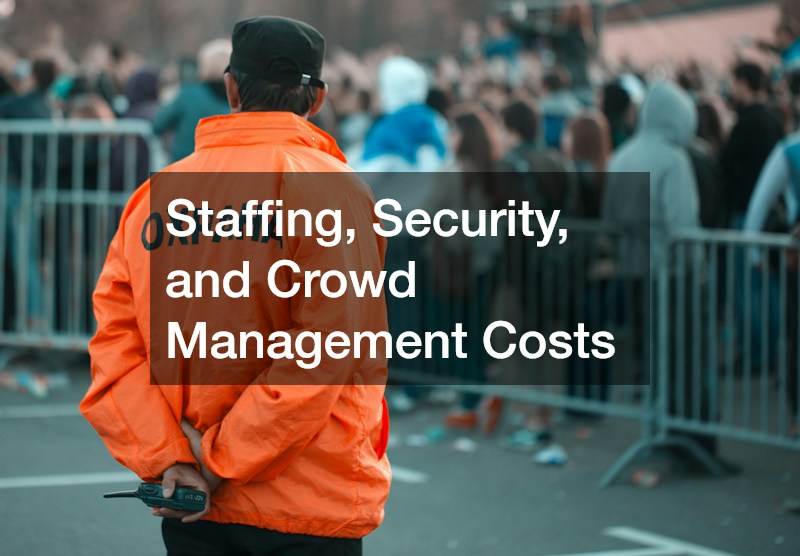
Security staffing is another area where budgets routinely fall short, particularly for events expecting more than a few hundred attendees. Beyond hiring guards, organizers often need to budget for metal detection equipment, credentialing systems, and coordination with local law enforcement for larger gatherings. These costs scale quickly once you factor in overnight security for multi-day events or venues with valuable equipment left on site.
Crowd management also includes less obvious expenses like barricades, wayfinding signage, and additional staff trained specifically in emergency evacuation procedures. Cutting corners here is a common way organizers end up facing complaints, injuries, or regulatory scrutiny after the fact.
- Budget for pre-event security consultations with local law enforcement
- Include overnight security if equipment remains on-site between event days
- Factor in credentialing and badge systems for staff and vendors
- Plan for emergency evacuation training for key staff members
Cleanup, Waste Removal, and Venue Restoration
The cost of cleaning up after a large event is frequently underestimated because it does not feel as urgent as planning the event itself. Dumpster rentals, waste haulers, and recycling services all come with fees that depend on event size and the type of waste generated, especially if food vendors are involved. Many venues also require a post-event walkthrough and may withhold a damage deposit until the space is restored to its original condition.
Planning for cleanup in advance, rather than scrambling the morning after, reduces the chance of additional labor fees or late penalties from your venue contract. It also helps to assign a specific team member to oversee the restoration process so nothing falls through the cracks once the event itself has wrapped up.
- Request waste removal quotes based on expected attendance and vendor count
- Clarify recycling and composting requirements if your venue mandates them
- Schedule cleanup crews in advance rather than day-of
- Confirm damage deposit terms and the timeline for refund
Legal Representation and Dispute Resolution Planning
Even well-run events occasionally face disputes that go beyond what insurance alone can resolve, whether that involves a vendor contract disagreement, a guest injury claim, or a dispute with the venue over damages. Having a relationship with a personal injury law firm or general business counsel before an incident occurs means you are not scrambling to find representation under pressure. This is especially valuable for recurring event organizers who want consistent legal guidance across multiple events each year.
Setting aside a modest contingency budget for legal consultation, even if it goes unused, is a smart practice for any organization running events regularly. It signals to stakeholders that the organization takes risk management seriously and is prepared to handle disputes professionally rather than reactively.
Budgeting for a large scale event means looking well beyond the venue rental and catering contract to the less glamorous costs that keep an event running safely and legally. Sanitation, permits, insurance, transportation, security, and cleanup all deserve their own line items, not an afterthought buried in a miscellaneous category. Building these costs into your plan from day one gives you a realistic budget and far fewer surprises when the event is actually underway. Start your next planning cycle by listing every hidden cost covered here, then request quotes early so you can negotiate from a position of knowledge rather than urgency.
