
Managing a major commercial facility involves spinning dozens of plates at the same time. Building codes shift, municipal regulations update, and safety standards demand constant attention. When an official inspection date lands on the calendar, the pressure can build quickly for property managers and owners alike. A failed walkthrough can lead to massive fines, expensive delays, or even forced operational shutdowns. Navigating this environment requires looking at the property through a macro lens rather than focusing on a single issue at a time. The secret to an easy inspection process lies in understanding how various technical frameworks interact with each other. From the deep foundation to the highest roof edge, every single element must align with local and national building standards. Implementing top-tier commercial construction services is often the first step in building a compliant baseline, but regular maintenance is what keeps a property within legal bounds over the long haul. Approaching compliance with a proactive mindset changes an inspection from a stressful hurdle into a routine confirmation of high operational standards. Implementing a unified multi-trade checklist ensures that nothing slips through the cracks, allowing facilities to function safely, legally, and smoothly under any regulatory scrutiny.
The Structural Shield: Safeguarding the Building Envelope
The exterior shell of any facility serves as its primary defense mechanism against nature. Code compliance begins outside, where water intrusion can quietly ruin internal structural elements and create massive liability issues. Inspectors look closely at water diversion systems, flashing details, and the overall structural integrity of the roof layout. Standing water or clogged drainage paths can cause massive weight loads that compromise structural safety metrics. Working alongside an experienced roofer helps ensure that the building envelope meets local wind-resistance and water-shedding regulations. Beyond avoiding immediate leaks, a certified roof assembly prevents moisture from seeping into structural beams where mold or rot could compromise safety. Regular perimeter checks should focus on flashing around parapet walls, expansion joints, and mechanical curbs. When these components fail, the resulting interior water damage can compromise fire-rated walls and electrical systems inside. Keeping the external perimeter sound is not just about aesthetics; it is about protecting everything beneath the surface. By establishing a rigorous exterior inspection schedule, management teams can spot early warning signs like splitting membranes or failing sealants before they trigger official citations.
Passive Fire Protection: The Importance of Rated Wall Systems
Once the exterior is completely secure, attention naturally shifts to the interior layout and partition walls. Passive fire protection relies heavily on the integrity of walls and ceilings to contain smoke and flames during an emergency. Building codes dictate exactly how long specific walls must resist fire, especially in corridors, stairwells, and mechanical rooms. Any unsealed penetration for wires or pipes can instantly void a wall’s fire rating and lead to an immediate inspection failure. Partnering with a skilled commercial drywall contractor ensures that all sheetrock installations meet or exceed the exact hourly fire ratings required by local municipal codes. They understand the nuances of type-X gypsum boards, proper joint taping patterns, and the specialized firestop sealants required around wall penetrations. Inspectors will look for cracks, unpatched holes, or improper alterations made during past tenant renovations. Ensuring that these vertical and horizontal barriers remain completely intact protects both the building’s structural core and human life. Regular visual audits of interior walls help find minor damage caused by daily facility wear and tear before an inspector notes it down. Maintaining these passive systems is an absolute necessity for long-term operational legality.
High-Voltage Safety: Managing Complex Electrical Distribution
Electrical systems are the true heart of any active commercial building, but they also pose some of the highest safety risks if ignored. Compliance officers pay extreme attention to electrical panels, main distribution boards, switchgear, and backup generator systems. Code requirements dictate clear working spaces around all electrical gear, accurate labeling of circuits, and proper grounding techniques throughout the facility. Hiring a qualified industrial electrician is essential for conducting infrared thermography scans and load-testing vital equipment safely. These specialized technicians check for overloaded circuits, loose connections, and outdated breakers that could present arc-flash or fire hazards. Additionally, emergency lighting grids and exit signs must remain fully operational on backup battery systems to pass annual safety walk-throughs. Code compliance also covers the safe management of high-voltage machinery and industrial control panels found in manufacturing or processing zones. Keeping detailed records of all electrical modifications, repairs, and preventive maintenance logs is highly recommended for smooth inspections. When documentation matches the physical safety adjustments on the floor, inspectors can quickly verify that the facility operates safely under load.
Climate Regulation: Maximizing Ventilation and Energy Efficiency
Indoor air quality and environmental control systems are heavily regulated to ensure tenant safety, comfort, and energy efficiency. Modern commercial buildings rely on sophisticated air handling units, exhaust fans, and complex duct networks to maintain steady fresh air exchange rates. Compliance inspectors check for adequate outdoor air intake, proper filtration levels, and clear pathways around intake louvers to prevent air contamination. Relying on professional HVAC services guarantees that building automated climate controls and mechanical dampers operate in perfect harmony with local energy codes. Technicians will clean evaporator coils, verify refrigerant charges, and test economizers to ensure the system is not pulling in toxic fumes or excessive humidity. Properly calibrated systems prevent the growth of biological contaminants like mold inside duct networks, which can shut down a facility instantly. Furthermore, fire dampers inside the ductwork must be tested regularly to ensure they drop instantly if a thermal link melts during a fire. Documenting routine belt changes, filter upgrades, and air balancing tests shows code officials that the indoor climate remains safe and efficient year-round.
Commercial Fluid Operations: Maintaining Pristine Water and Drainage
Plumbing systems do far more than just supply restrooms; they manage complex waste removal, backflow prevention, and hot water delivery networks across the property. Code compliance focuses intensely on cross-connection controls to prevent non-potable water from siphoning back into the municipal clean water supply. Every commercial facility must test its backflow preventer assemblies annually and submit the certified results to the local water authority. Engaging licensed plumbers to handle these crucial certifications ensures that all valves, traps, and drainage lines work without risk of system failures. These professionals inspect grease traps in food preparation zones, clear out heavy-duty main lines, and confirm that water heaters maintain code-mandated temperatures to kill dangerous bacteria. Clogged or slow-moving drains can cause localized flooding, which creates a health hazard that code enforcement officers will penalize immediately. Routine maintenance of flush valves, drinking fountains, and sensory faucets keeps water usage within green building guidelines while preventing leaks that drain operational budgets. Clear documentation of backflow tests and main line cleanouts is your best defense during unexpected municipal plumbing reviews.
Hydronic Asset Preservation: Preventing Industrial Scale and Corrosion
While standard plumbing covers human consumption and waste, large facilities also utilize massive volumes of water for heating and cooling machinery. Cooling towers, boilers, and closed-loop hydronic systems require precise chemical balancing to run safely and avoid premature structural degradation. Untreated water causes mineral scale buildup, biological fouling, and internal corrosion that can ruin multi-million dollar mechanical assets. Implementing a specialized commercial water treatment service is critical for maintaining compliance with local environmental and health department standards. Water specialists test the chemical makeup of the system water, add safe scale inhibitors, and manage biocide treatments to prevent outbreaks of harmful pathogens like Legionella. Inspectors frequently check cooling tower logs to confirm that regular biocide applications and water testing protocols are being executed consistently. Failing to maintain these systems can lead to massive fines from environmental agencies and significantly decrease the operational lifespan of facility infrastructure. Keeping water loops clean ensures that heat exchange processes remain highly efficient, lowering energy consumption and helping the facility hit its mandatory sustainability targets.
Life Safety Water Networks: Engineering Reliable Suppression Mechanisms

Fire suppression infrastructure is arguably the most strictly scrutinized segment of any commercial building compliance walkthrough. If a fire breaks out, the mechanical systems designed to fight the flames must deploy flawlessly without a single second of delay. This requires an engineered layout that balances water pressure, pipe size, and sprinkler head placement based on the specific fuel load of the room. Developing and maintaining an accurate automatic fire sprinkler design ensures that every square foot of the asset is completely protected according to national NFPA standards. Certified inspectors will verify that control valves remain chained in the open position, tamper switches function correctly, and water flow alarms trigger properly during testing. They will also inspect individual sprinkler heads to ensure they are free from paint, heavy dust buildup, or physical obstructions that could block their spray patterns. Regular main drain tests and hydrostatic pressure tests must be performed to prove the piping network can handle extreme pressure spikes. Keeping detailed architectural blueprints and physical engineering stamps available on-site makes it simple for fire marshals to verify system compliance quickly.
Early Warning Arrays: Electronic Monitoring and Alert Distribution
While sprinklers physically suppress a fire, the electronic detection system acts as the property’s brain during an emergency situation. Smoke detectors, heat sensors, manual pull stations, and audible horns must communicate perfectly across a unified, supervised electrical network. If a single sensor fails or displays a fault code, the entire system can become compromised, leaving occupants vulnerable to undetected hazards. Testing and maintaining a modern commercial fire alarm system requires keeping meticulous records of periodic battery tests, detector sensitivity levels, and monitoring center communication links. Fire inspectors look closely at the main annunciator panel to ensure there are no active trouble lights or ignored error alerts on the display screen. Voice evacuation systems must be completely audible over ambient building noise, and strobe lights must flash at code-specified intervals to assist hearing-impaired individuals. Magnetic door releases must drop instantly upon alarm activation to seal off smoke zones and protect emergency exit pathways. Ensuring that low-voltage fire alarm technicians run regular diagnostic checks prevents false alarms that waste city resources and result in costly municipal fines.
External Care and Upkeep: Curb Appeal Meets Safety Compliance
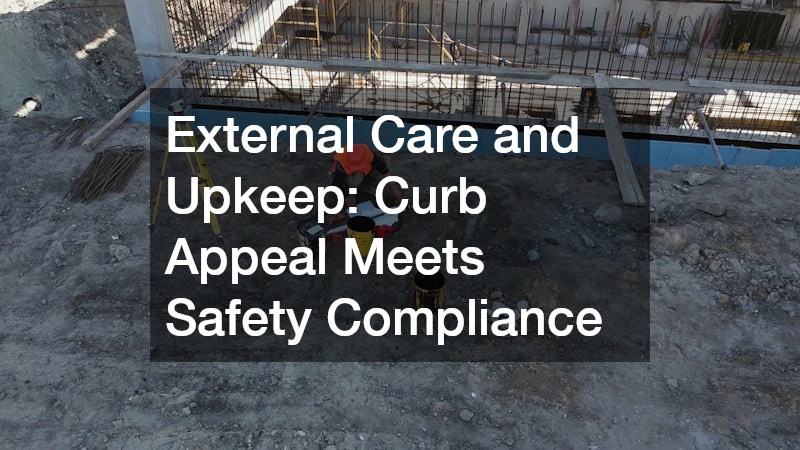
The exterior presentation of a commercial asset does more than just impress visiting clients; it plays a fundamental role in basic public safety compliance. Over time, outdoor surfaces collect thick layers of oil, grease, mold, and environmental pollution that can turn walkways into slick hazards. Municipal codes often dictate that sidewalks, entryways, and parking areas must remain clear of slippery biological growth and hazardous debris. Scheduling regular local pressure cleaning services keeps concrete walkways, loading docks, and parking garages safe, clean, and completely slip-resistant. Inspectors often evaluate pedestrian pathways for trip hazards, clear visibility of striping, and clean accessibility ramps that meet disability compliance standards. Dirt and mold buildup on exterior building panels can also hide developing cracks or structural damage that needs immediate engineering attention. Washing away these surface contaminants allows maintenance teams to inspect the underlying brick, stone, or stucco facade for signs of shifting or degradation. Keeping the outside of the property immaculate shows city officials that the property is managed with care, often setting a positive tone for the interior walkthrough.
A Continuous Method: Structuring Long-Term Asset Management
Achieving full compliance across so many different specialized fields is never a one-time project; it requires a structured, ongoing maintenance strategy. Building owners who wait until the week before an official inspection to address repairs usually face massive stress, inflated emergency repair costs, and long operational delays. The most successful facility management teams build a centralized master compliance calendar that tracks every single test, flush, and scan required throughout the year. Grouping inspections by frequency—such as monthly fire extinguisher checks, quarterly sprinkler tests, and annual electrical scans—keeps the workload manageable. Maintaining a clean digital repository of all trade certifications, permits, and repair invoices allows management to present proof of compliance instantly when an inspector requests it. When municipal officials see that a facility follows an organized, proactive framework, the entire inspection process becomes faster and less invasive. Investing time and resources into routine care protects the structural value of the asset while ensuring a safe, productive environment for every occupant inside. Ultimately, a compliant building is a profitable building that stands the test of time.
