
Managing a commercial property requires balancing operational efficiency with comprehensive risk reduction. Facility owners, property managers, and corporate directors face an evolving array of demands. Energy costs continue to fluctuate, physical security threats persist, and civil liability claims present a constant financial exposure. Leaving physical infrastructure to deteriorate rarely saves money in the long run. In practice, deferred maintenance consistently converts minor, inexpensive repairs into major operational disruptions, regulatory penalties, and costly litigation.
A proactive approach to commercial real estate management views property improvements not as mere overhead expenses, but as strategic investments. Upgrading indoor systems, fortifying perimeters, maintaining ground surfaces, and refining labor strategies directly protect physical assets while optimizing daily workflows. Furthermore, systematic physical enhancements create a clear record of reasonable care, helping to insulate real estate portfolios from preventable legal exposure.
To maximize return on investment, property leaders must adopt a systematic framework that addresses structural vulnerabilities and operational friction points. By focusing on critical facility upgrades, business entities can establish high-performing, safe, and resilient commercial environments that foster long-term tenant satisfaction and financial growth.
Optimizing Indoor Systems and Energy Efficiency
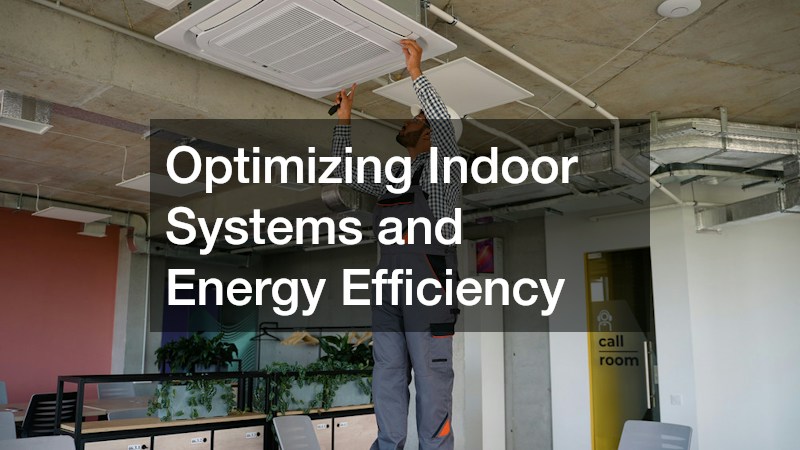
The performance of a building’s interior systems is crucial for ensuring both the productivity of employees and the management of overhead costs. In today’s technologically advanced world, the operation of modern facilities is heavily reliant on sophisticated, automated control systems that work in real time. These systems play an essential role in maintaining compliance with environmental regulations, ensuring occupants’ thermal comfort, and preventing unnecessary energy consumption across expansive building areas. Traditional methods using outdated manual thermostats and disparate mechanical controls are being phased out in favor of integrated commercial building automation systems. These advanced systems empower site managers to centralize the management of lighting, ventilation, and power distribution through a single, user-friendly digital dashboard. Utilizing a network of sensors, these platforms adeptly monitor room occupancy levels, adjust heating and cooling loads in response to seasonal changes, and proactively identify mechanical issues well before building occupants notice any discomfort, such as a change in indoor temperature.
The benefits of smart environmental controls extend beyond immediate reductions in utility costs, ushering in a transformative shift in facility maintenance strategies from being reactive to becoming predictive. Instead of waiting for critical failures, such as an air handler motor malfunctioning or a central boiler losing pressure during peak operational hours, facilities management teams now receive automated diagnostic alerts when equipment begins to exhibit early signs of deterioration. This invaluable real-time data allows for the planning of specific maintenance tasks during less busy periods, effectively avoiding expensive emergency repairs and minimizing interruptions for commercial tenants.
In commercial properties that depend heavily on temperature-regulated operations—such as grocery stores, distribution centers, cold-storage warehouses, and food processing facilities—the integrity of refrigeration systems is absolutely critical. Unregulated fluctuations in temperature can lead to the spoilage of perishable goods worth tens of thousands of dollars within mere hours. Additionally, such temperature deviations could result in violating health codes and causing significant damage to the company’s brand reputation. To keep these operations running smoothly, it is essential to implement rigorous inspection schedules for key components like evaporators, condenser coils, and compressor racks.
Engaging the expertise of certified professionals for routine commercial refrigeration repairs ensures the stability of refrigerant levels, the maintenance of airtight seals, and the reliability of emergency backup systems. Regularly scheduled maintenance also helps manage energy consumption effectively, as worn refrigeration components require more power to compensate for issues such as degraded gaskets or clogged coils. By integrating automated monitoring with a commitment to dedicated cooling system maintenance, businesses can establish a resilient cold-chain infrastructure.
Securing Access Points and Perimeter Defense
In the bustling world of commercial operations, the physical boundaries of a site serve as the critical first line of defense against unwanted intrusions, unforeseen operational delays, and potential accidental injuries. These boundaries are especially crucial in high-traffic access zones, such as loading docks and industrial entry bays, where there is a continuous flow of goods and personnel. These areas are designed to withstand the rigorous demands of commercial logistics, undergoing hundreds of mechanical cycles each week. The robust industrial doors and overhead gates in these areas are subject to constant operational stress, which includes wear and tear on motors and the risk of collisions with vehicles. If these mechanical access points fail, logistics operations come to a standstill, shipping schedules fall behind, and severe safety hazards emerge for loading bay personnel, posing a risk to both human safety and operational efficiency.
When components of a loading bay start displaying warning signs such as mechanical binding, track misalignment, or sensor failures, it becomes crucial to take immediate action to avert a complete mechanical breakdown. Timely intervention through professional commercial garage door repairs plays a significant role in restoring the seamless operational rhythm of these zones. By doing so, it also helps maintain the climatic comfort of interior spaces by protecting them from external temperature fluctuations, and it prevents the dangerous potential of heavy industrial doors dropping suddenly. Modernizing these overhead doors with advanced high-speed actuation systems and the inclusion of safety photo-eyes enhances efficiency dramatically. This modernization reduces the time taken for each cycle, while also providing additional protection for dock workers and safeguarding material-handling equipment. These measures are designed to mitigate impact hazards effectively and ensure safe, smooth operations.
Equally vital is establishing a clearly defined physical perimeter for corporate campuses, storage facilities, and retail centers, which serves as a bulwark against security threats. Unrestricted property perimeters can become hotspots for trespassing, illegal dumping, equipment theft, and acts of vandalism, which jeopardize the safety and aesthetics of the property. Crafting a multi-layered boundary strategy is akin to laying the foundation for robust site security. This process begins with choosing durable, site-appropriate perimeter barriers that unmistakably mark the limits of private property and physically discourage unauthorized entry.
Collaborating with seasoned commercial fence contractors provides property leaders with the expertise needed to select and install fencing systems that meet specific security needs. Whether the goal is to deploy heavy-duty steel ornamental fencing for high-profile corporate headquarters or establish anti-climb chain-link enclosures for securing equipment yards, professional installation guarantees enduring structural stability. This stability is crucial to withstand challenges posed by ground shifting and varying weather conditions. To amplify security measures, these physical barriers can be integrated with automated access gates, keycard readers, and comprehensive perimeter surveillance systems.
Preserving Storefronts and Exterior Surfaces
Maintaining the visual appeal and physical integrity of a property’s exterior is essential for preserving land values and attracting quality tenants. However, commercial storefronts and glass facades are uniquely vulnerable to physical damage, thermal stress, and intentional vandalism. Architectural glass replacement represents a major capital expense, and repeated incidents of spray-painting, acid etching, or tagging can quickly exhaust a facility’s maintenance budget while degrading the property’s reputation.
To protect high-exposure exterior glass without resorting to unsightly metal bars or shutter systems, facility leaders frequently turn to protective film technology. Installing high-grade anti graffiti window film creates a clear, durable sacrificial layer over glass windows, doors, and display cases. When vandalism or surface scratching occurs, maintenance teams can simply remove and replace the damaged film at a fraction of the cost of replacing the underlying glass. Additionally, many multi-layer security films provide secondary solar control benefits, filtering ultraviolet light, reducing interior glare, and lowering solar heat gain to support overall building energy goals.
Exterior horizontal surfaces require equal attention. Parking lots, drive aisles, loading pads, and walkways endure continuous degradation from vehicle loads, oil spills, ground movement, and environmental weathering. Over time, water penetrates small surface cracks, eroding the underlying base material and forming structural depressions, deep potholes, and jagged edge failures.
Implementing an ongoing preventative pavement program centered around high-quality commercial paving helps prevent structural water damage and extends the lifecycle of asphalt assets. Regular application of sealcoating, aggressive crack filling, and timely localized patching blocks moisture infiltration and shields petroleum binders from oxidative damage caused by solar exposure. Well-maintained parking areas and driveways convey professional standards, simplify seasonal ice clearing, and provide smooth transit for delivery vehicles and visitors alike.
Mitigating Liability and Managing Legal Exposure
Physical maintenance directly impacts a property owner’s legal exposure under premises liability law. Commercial property owners owe a duty of reasonable care to everyone entering the site, including employees, tenants, delivery personnel, and the general public. Neglected walkways, poor drainage systems, uneven pavement transitions, and inadequate lighting frequently cause slip, trip, and fall incidents that can result in costly personal injury lawsuits.
To minimize these risks, facility managers must conduct regular site audits to identify and fix physical hazards before injuries happen. Contracting experienced commercial paving contractors ensures that surface defects, depressed catch basins, and hazardous concrete shifts are repaired using industry-standard materials and proper grading techniques. Correcting surface slopes and installing non-slip asphalt or textured concrete overlays eliminates dangerous pooling water and reduces winter ice formation, addressing common causes of exterior slip-and-fall claims.
When personal injury incidents do occur on commercial premises, property owners face intense legal scrutiny regarding their maintenance records and hazard mitigation protocols. Specialized legal teams representing plaintiffs, including experienced slip and fall attorneys, will carefully analyze maintenance logs, inspection routines, vendor contracts, and video footage to prove property owner negligence. Maintaining meticulous, time-stamped records of all physical repairs, surface inspections, and hazard remediations establishes clear evidence that property management exercised reasonable care and took proactive measures to protect visitors.
Complex civil claims and contractual disputes require a strong legal defense strategy. Engaging a knowledgeable accident and injury lawyer helps commercial property organizations evaluate site-specific liability risks, draft defensible service contracts with third-party vendors, and manage insurance claims effectively. Early legal guidance ensures that property owners navigate injury disputes with proper documentation, reducing financial exposure and protecting organizational reputation.
Scaling Workforce Efficiency and Facility Operations
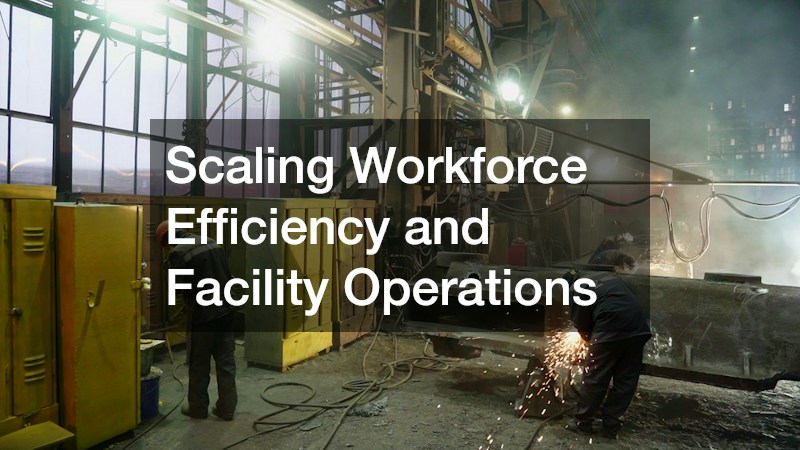
Even the most advanced building technology and structural upgrades require capable human oversight to operate efficiently. Modern facility management teams face ongoing challenges, including skilled labor shortages, sudden volume spikes, seasonal maintenance backlogs, and specialized repair demands. Attempting to manage every operational task with a static, full-time staff often leads to overtime expenses during peak periods and idle labor during slow cycles.
To maintain operational agility without overextending payroll budgets, progressive real estate operators use flexible labor models. Partnering with a reputable staffing service allows facility directors to quickly bring in qualified maintenance personnel, equipment operators, inventory specialists, and safety monitors as needed. Flexible staffing enables properties to scale labor capacity up or down depending on active renovation projects, seasonal weather responses, or temporary spikes in tenant occupancy.
Successful contingent labor strategies depend on clear operational workflows and rigorous safety protocols. Every temporary worker entering a commercial facility must complete site-specific safety orientations, understand emergency response procedures, and receive appropriate personal protective equipment (PPE) before starting work. Clear onboarding protects temporary staff and prevents operational disruptions caused by compliance violations or workplace accidents.
Finally, long-term operational success relies on combining physical upgrades with centralized vendor management and regular performance audits. Consolidating service contracts—such as HVAC maintenance, exterior paving, perimeter security, and contingency labor—under unified service level agreements (SLAs) clarifies accountability and simplifies budgeting. Conducting annual facility reviews allows management to track energy savings, review liability incident reports, evaluate contractor performance, and reallocate capital toward high-impact physical upgrades. This structured approach ensures commercial properties remain safe, efficient, and profitable for years to come.
Using This Guide to Minimize Risk and Elevate Operations
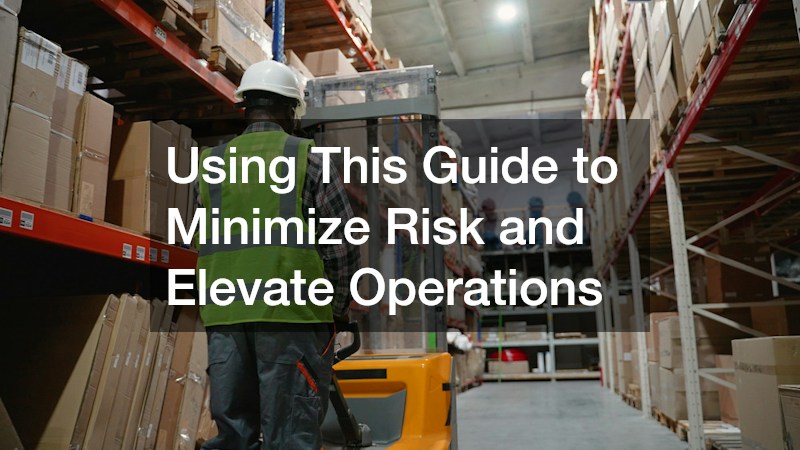
Proactive management of commercial real estate requires continuous alignment between physical asset maintenance, security enforcement, and risk management strategies. Leaving facility systems to deteriorate creates operational bottlenecks, wastes energy, and opens the door to preventable legal claims. Conversely, investing in strategic building improvements transforms facility management from a reactive cost center into a reliable driver of long-term asset value.
By implementing automated indoor control platforms, maintaining cold-chain systems, securing perimeters, preserving storefronts, and repairing ground surfaces, property owners establish a safe, efficient environment for tenants and visitors. Complementing these physical enhancements with flexible labor solutions and robust documentation protocols creates a comprehensive operational defense shield. Ultimately, prioritizing systematic, high-impact property upgrades ensures that commercial assets remain resilient, compliant, and competitive in a dynamic market.
