
If you’ve watched your commercial property maintenance line item creep higher every year without a clear explanation, you’re not alone. Many property owners assume rising costs are just inflation or bad luck, when in reality a handful of predictable, often invisible factors are quietly driving the increase. Understanding where the money actually goes is the first step toward regaining control of your budget instead of just reacting to surprise expenses.
This guide breaks down the most common culprits so you can plan smarter, not just spend more.
The True Cost of Putting Off Repairs
It’s tempting to push a small repair down the priority list when budgets are tight, but deferred maintenance almost always compounds into a bigger expense. A roof leak that costs a few hundred dollars to patch today can turn into rotted decking, ruined insulation, and mold remediation costing tens of thousands if left unattended for a couple of seasons. The same pattern shows up across nearly every building system: minor issues are cheap and contained, while neglected ones spread damage to adjacent materials and systems, shrink the useful life of expensive equipment, and eventually force emergency repairs at premium rates instead of planned work at competitive pricing.
This is why so many property owners see their maintenance budgets balloon year over year even though nothing dramatic seems to be happening. The costs are hidden until they aren’t, and by the time a problem becomes visible, it has usually already caused secondary damage. Understanding the typical progression can help you recognize when a small issue is about to become a big one.
A few common examples of how deferred repairs escalate:
- A slow HVAC refrigerant leak left unfixed can strain the compressor and lead to full system replacement instead of a simple recharge and seal.
- Cracked pavement or parking lot seams that go unsealed allow water infiltration that undermines the base layer, turning a resurfacing job into a full reconstruction.
- Minor plumbing drips behind walls can quietly cause structural rot and mold growth long before any visible stain appears.
- Worn weatherstripping or failing window seals drive up energy bills gradually, adding real dollars to utility costs every single month.
- Ignored gutter clogs lead to water pooling near the foundation, which over time can cause costly foundation cracks and basement leaks.
Each of these starts as a low-cost fix and, left alone, becomes a five- or six-figure capital expense, which is exactly the kind of surprise that throws an annual maintenance budget off track.
How Weather Extremes Chip Away at Your Budget

Every swing in the weather leaves a mark on your property, and those marks add up fast when temperatures lurch from one extreme to another within the same season. Asphalt expands in summer heat and contracts in winter cold, which speeds up cracking and potholes long before a parking lot would normally need repaving. Roofing membranes go through the same stress, so a roof rated for twenty years of moderate climate might show leaks or blistering closer to year twelve if it is regularly baked, frozen, and soaked in the same year.
Winter storms bring their own line item too, since a single heavy snowfall can require industrial snow plowing, de-icing, and cleanup that easily costs more than several months of routine landscaping combined, and repeated freeze-thaw cycles can heave sidewalks and foundations in ways that are not visible until spring.
Because these costs tend to hit in bursts rather than evenly throughout the year, they are easy to underestimate when building an annual budget. A few warning signs are worth watching for before they turn into major repair bills.
- Pooling water on the roof or parking lot after storms, which signals drainage problems made worse by heavy rain or rapid snowmelt
- Cracks in pavement or foundations that widen noticeably after a hard freeze
- Gutters or downspouts pulling away from the building after ice buildup
- Sudden spikes in heating or cooling costs, which often point to weather-damaged insulation or seals
- Landscaping that struggles to recover each season, suggesting soil or drainage issues worsened by extreme weather
Managing Water Flow and Ground Stability Around Your Property
Water is one of the sneakiest budget killers on a commercial property because the damage happens slowly, out of sight, until suddenly it isn’t. Poor drainage around a building foundation lets water pool after every storm, and that standing water gradually softens the soil beneath parking lots, walkways, and even the building slab itself. Over time, this leads to cracked pavement, sinking curbs, and foundation settling that can cost far more to fix than the drainage issue that caused it.
Grading that once directed water away from the property can shift after years of freeze-thaw cycles, landscaping changes, or nearby construction, so what worked when the building was new may no longer be doing its job. If you notice water collecting in the same low spots repeatedly, or you see small gullies forming along slopes or planting beds, those are early warning signs that erosion control measures are needed before the soil loss undermines something structural.
Ground stability issues often show up first as small cosmetic problems: a slightly uneven sidewalk panel, a fence post leaning a bit, mulch beds that keep washing out after rain, and it is tempting to treat these as minor cosmetic fixes rather than symptoms of a bigger drainage pattern. But addressing the surface crack without addressing the water movement underneath it almost guarantees the problem returns, often worse, within a year or two. Keeping gutters, downspouts, and storm drains clear, watching how water actually flows across the property during heavy rain, and correcting grading issues while they are still small are some of the most effective ways to protect the larger investment sitting on top of that ground.
When Climate Control Systems Start Failing
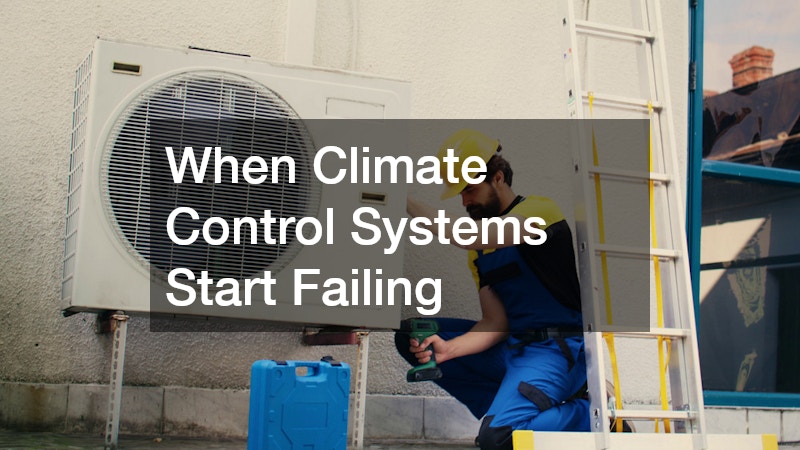
Heating and cooling equipment rarely fails all at once—it degrades in stages, and those stages are exactly why maintenance budgets creep upward year after year. A rooftop unit that’s five or ten years past its midlife point starts needing more frequent refrigerant top-offs, replacement of aging capacitors, and cleaning of coils that have gathered years of dust and debris. Each of these fixes seems minor on its own, maybe a few hundred dollars here or there, but when a building has multiple units serving different zones, those small repairs stack up fast. Worse, an aging system also runs less efficiently, which means the utility bill quietly climbs alongside the repair invoices, even though nothing on the surface looks obviously broken.
The real budget killer, though, is when a system fails during extreme weather, since that’s when commercial AC repair costs spike the most and tenants have the least patience for delays. A compressor that gives out during a summer heat wave often costs more to fix than the same repair scheduled during a mild spring week, simply because emergency labor and rush-shipped parts carry a premium. Property owners who track only the immediate repair cost, rather than the pattern of repairs over time, often miss the warning signs that a unit is approaching the end of its useful life. A system needing three or more service calls within a single year is usually signaling that continued patch repairs will cost more in the long run than addressing the underlying equipment issue.
Keeping simple records of repair dates, costs, and symptoms for each unit can reveal these patterns early, giving property owners a clearer picture of when a system has shifted from occasional nuisance to ongoing budget drain.
Spotting Problems Before They Become Major Structural Repairs
Most budget-busting repairs don’t start out big. A hairline crack in the parking lot, a faint water stain on a ceiling tile, or a slow drip near a rooftop unit are early warnings that something underneath is wearing out. When these small signals get ignored for months, moisture works its way into insulation, steel supports, and drywall, turning a cheap patch job into a five-figure structural fix. Walking the property on a regular schedule, rather than waiting for tenants to complain, is the single biggest factor separating owners with predictable maintenance costs from those who get hit with surprise invoices every year.
Roofs deserve special attention because they’re the most expensive system to neglect and the easiest to overlook since nobody looks up. Catching a failing seam or worn flashing early often means the difference between minor commercial roofing repairs and a full replacement after water has already reached the decking below. The same logic applies to plumbing, HVAC, and the building’s exterior envelope: small, visible clues almost always precede expensive, hidden damage.
When doing a walkthrough, look for these warning signs:
- Discoloration or bubbling on ceilings, walls, or ceiling tiles, which usually points to a slow leak
- Cracks in the foundation, parking lot, or exterior walls wider than a quarter inch
- Musty odors in enclosed spaces, often a sign of trapped moisture or early mold growth
- Doors or windows that stick or no longer close flush, which can indicate settling or structural shifting
- Rust stains or pooling water around rooftop equipment, drains, or gutters
Catching even one of these early can prevent a chain reaction of damage that eventually requires tearing into walls, ceilings, or structural framing to fix.
Access Points and Heavy Lifting Costs You Might Overlook
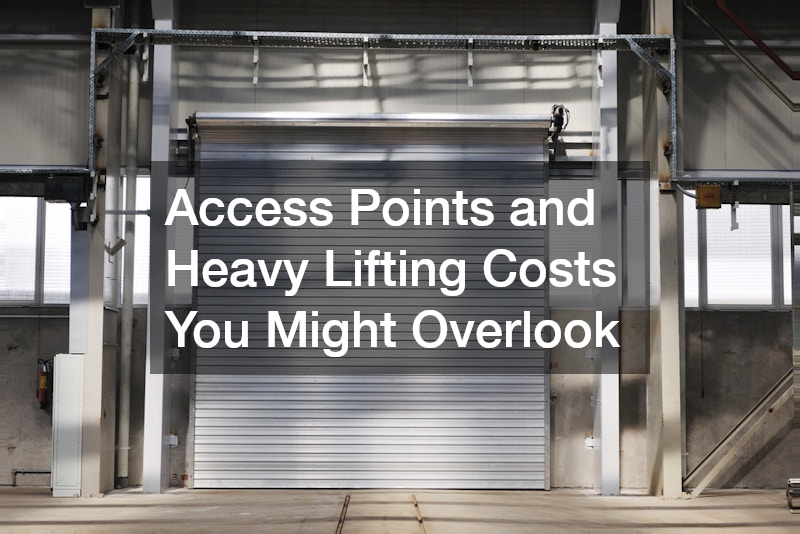
Many property owners budget for the obvious stuff, like roof repairs or parking lot resurfacing, but forget about the equipment that lets people and goods move in and out of a building every day. Commercial garage doors, loading dock levelers, and bay entrances take a beating from constant use, and when a spring snaps or a panel warps, the repair often requires specialized parts that aren’t sitting on a shelf anywhere nearby. That wait time alone can stall operations, and rush shipping or emergency service fees quietly inflate the final bill well beyond what a routine fix would have cost.
The other overlooked expense category is anything that requires lifting equipment to reach or replace. Rooftop HVAC units, signage, and certain structural repairs sit far enough above ground that a simple ladder or scissor lift won’t cut it, and bringing in crane services turns what seemed like a modest repair into a multi-thousand-dollar line item once you factor in permits, street closures, and scheduling around business hours. These costs tend to catch owners off guard because they’re rarely itemized until the estimate lands.
A few things worth checking before you’re surprised by a bill:
- Ask whether a repair requires access equipment beyond a standard ladder or lift, and get that cost quoted separately.
- Find out if any permits or traffic control are needed for equipment brought onto the property.
- Check how often your loading dock and garage door hardware has been serviced in the last two years.
- Confirm whether replacement parts for older doors or lifts are still in regular production or need custom sourcing.
- Build a separate line item in your budget specifically for rooftop or high-access repairs, since these rarely follow a predictable schedule.
Meeting Safety Standards Without Breaking the Bank
Safety compliance is one of the biggest hidden drivers behind a bloated maintenance budget, mostly because property owners treat it as a reactive expense rather than something to plan for. Fire codes, elevator inspections, sprinkler testing, and accessibility requirements don’t stay static, and local jurisdictions update them more often than most owners realize. When an inspector flags an outdated fire alarm installation or a sprinkler system that no longer meets current code, the fix often has to happen immediately, which means you lose all your negotiating leverage on pricing and get stuck paying rush rates. Building a rolling compliance calendar that tracks every required inspection, certification renewal, and code update by jurisdiction lets you budget for upgrades months in advance instead of scrambling when a violation notice arrives.
The other cost trap is over-correcting after a citation. Owners who get flagged for one issue sometimes replace entire systems out of anxiety, when a targeted repair or partial upgrade would have satisfied the actual code requirement. Before authorizing major safety work, ask for the specific code section being cited and get clarity on whether a repair, a partial replacement, or a full system overhaul is genuinely required to meet it.
It also helps to request itemized quotes that separate the mandatory compliance fix from any suggested extras, since some contractors bundle recommended upgrades in with required ones without clearly distinguishing the two. Keeping copies of past inspection reports and permits also saves money over time, because it gives you documented proof of what’s already been addressed, which can prevent duplicate work or unnecessary re-inspections when ownership, management, or inspectors change. Treating safety compliance as an ongoing budget line rather than a surprise expense is one of the simplest ways to keep costs predictable.
The Hidden Expense of Waste and Byproduct Removal
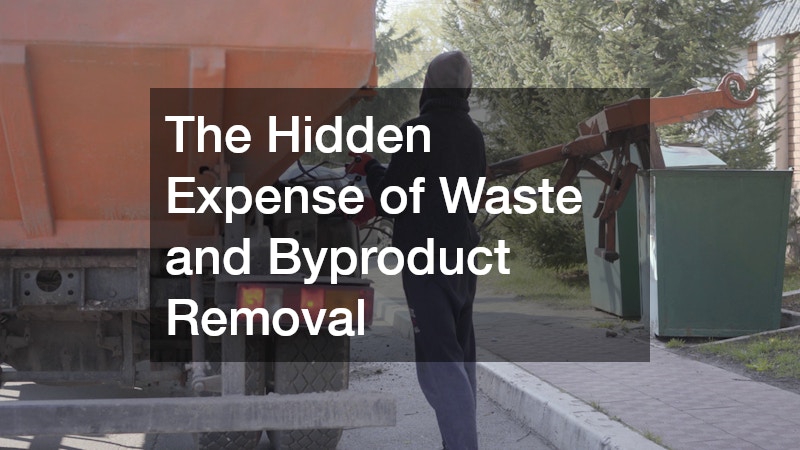
Most property owners budget for the obvious stuff—lawn care, HVAC servicing, parking lot repairs—but waste removal quietly eats away at maintenance budgets in ways that rarely get tracked properly. If your property houses a restaurant, food court, or any kitchen operation, used cooking oil disposal is a recurring cost that many owners underestimate, and improper handling can lead to clogged drains, foul odors, or even fines from local health departments.
Renovation projects and seasonal cleanouts add another layer of expense, since roll off containers for construction debris or bulk waste are often billed by size and rental duration, and costs climb fast if the container sits longer than planned or gets overloaded. Because these expenses tend to show up as one-off line items rather than a predictable monthly cost, they’re easy to overlook until the invoices start piling up.
The real budget-buster is inconsistency—paying premium rates for emergency pickups, renting the wrong size container and needing a second haul, or missing recycling incentives that could offset costs. A little planning turns these variable expenses into something you can actually forecast.
Before your next billing cycle, check whether your property is:
- Tracking oil and grease disposal separately from general waste, since mixing them often triggers extra fees
- Sizing waste containers based on actual volume needs rather than guesswork
- Scheduling regular pickups instead of relying on last-minute emergency calls
- Reviewing whether recyclable materials are being sorted out to reduce landfill tipping fees
- Comparing disposal invoices month over month to catch unexplained cost spikes early
Keeping Your Property’s Image Fresh Without Overspending
A big chunk of unnecessary spending comes from treating every cosmetic fix as an emergency. Faded paint, chipped curb stops, and worn parking lot lines all affect how a property looks, but they don’t all need to be addressed on the same timeline or with the same urgency. Walking your property every few months and noting what’s purely cosmetic versus what’s a safety or structural concern lets you group smaller fixes into one visit instead of paying for separate trips every time something looks slightly worn. Even something like custom signage, which tends to get replaced reactively when it fades or cracks, lasts much longer and costs less over time when you choose durable materials upfront rather than budget options that need replacing every year or two.
Another overlooked way to protect your image without overspending is being selective about where you invest visible upgrades. Entryways, parking lot surfaces, and anything facing the street tend to shape a visitor’s first impression far more than areas around the back of the building or less-trafficked corners. Focusing your budget on high-visibility zones, while keeping maintenance in lower-visibility areas more basic and functional, stretches your money further without making the property look neglected.
It also helps to keep a simple record of when things like exterior paint, signage, or landscaping were last refreshed, since guessing at timelines often leads to either premature replacements or letting things slide until they look noticeably run down, both of which end up costing more in the long run.
Final Thoughts
Once you see the full picture, a ballooning maintenance budget stops feeling mysterious and starts feeling manageable. The key is shifting from reactive spending to a proactive plan that accounts for seasonal demands, aging systems, and often-overlooked costs before they pile up. Take a closer look at your last twelve months of expenses, map them against the categories above, and you’ll likely spot patterns you can address this year. Small, informed adjustments now can prevent the next budget surprise down the road.
