Flat roofs are common on commercial buildings because they are cost-effective, easy to access, and ideal for housing HVAC units or solar panels. However, flat roofing systems come with their own maintenance needs and vulnerabilities that business owners should fully understand. When issues arise, working with an experienced roof repair service is essential to prevent water damage, structural problems, and costly business interruptions. Knowing what to expect—and how to stay ahead of potential problems—can save your company significant time and money in the long run.
Below is a detailed guide outlining what business owners need to know about flat roof repairs.
Flat Roofs Don’t Shed Water Like Sloped Roofs
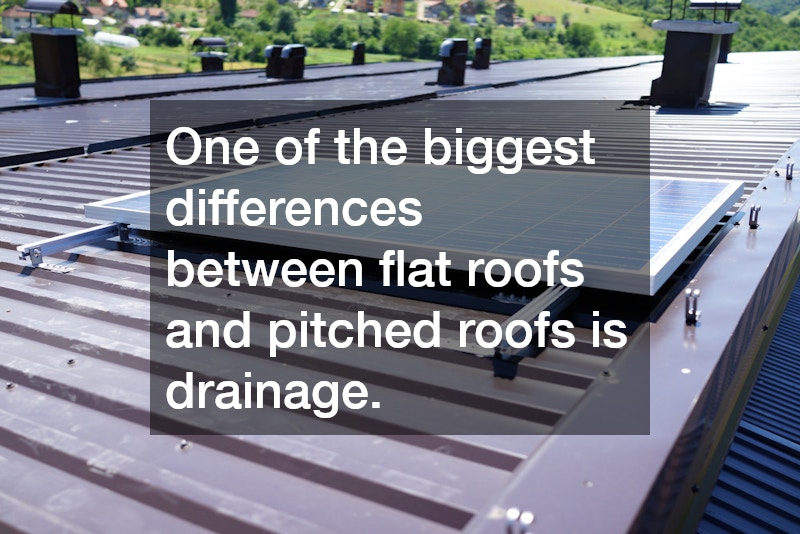
One of the biggest differences between flat roofs and pitched roofs is drainage. Flat roofs aren’t completely flat, but their extremely low slope means they cannot shed water quickly. When water lingers, it can seep into seams, expand existing weaknesses, and penetrate roofing materials.
Ponding water is one of the most common problems commercial building owners face. If water remains on the roof for more than 48 hours, it increases the risk of leaks and structural stress. A professional roof repair service will examine the drainage system, correct low spots, and recommend long-term solutions such as tapered insulation or improved guttering to prevent ponding.
Different Flat Roofing Materials Require Specialized Repairs
Flat roofs are built from a variety of materials, each with its own strengths, weaknesses, and repair requirements. The most common include:
-
EPDM (Rubber Roofing): Durable and flexible but vulnerable to punctures
-
TPO Roofing: Heat-welded seams that require specialized repair tools
-
PVC Roofing: Chemical-resistant and long-lasting but must be repaired with compatible materials
-
Modified Bitumen: Multi-layered system that often requires heat application
-
Built-Up Roofing (BUR): Tar-and-gravel systems requiring experienced technicians
Not every roofer is equipped to handle every material. A qualified roof repair service will identify your roofing type and follow the correct methods for patching, reinforcing seams, replacing membranes, or correcting flashing failures.
Leaks on Flat Roofs Can Be Challenging to Locate
On sloped roofs, leaks usually appear near the damaged shingles or flashing. On flat roofs, however, water can travel horizontally before dripping into the building. This means the visible interior leak may be several feet—or even yards—away from the actual problem on the roof.
Professionals use moisture scanners, infrared inspections, and other tools to pinpoint the source accurately. This is one reason DIY repairs often fail; without proper detection methods, the underlying issue remains unresolved. Hiring a skilled roof repair service ensures the real source of the leak is found and properly repaired.
Regular Maintenance is Essential for Flat Roof Longevity
Because flat roofs are more susceptible to water retention, debris accumulation, and membrane wear, routine maintenance is critical. Business owners should schedule at least two professional inspections per year—typically in spring and fall—as well as inspections after severe storms.
Common maintenance tasks include:
-
Clearing drains and gutters
-
Removing leaves, branches, and debris
-
Checking seams, flashing, and transition points
-
Inspecting rooftop HVAC penetrations
-
Identifying punctures from foot traffic or debris
A professional roof repair service can provide maintenance programs tailored to your roofing system, helping extend its lifespan and reduce costly emergency repairs.
Punctures and Foot Traffic Are Major Causes of Damage
Commercial roofs often support HVAC units, satellite equipment, and foot traffic from maintenance personnel. This increases the risk of punctures, tears, and membrane wear. Even one small puncture can introduce water into the insulation and decking, resulting in widespread damage if not addressed quickly.
Installing walkway pads and limiting access to authorized personnel helps reduce puncture risks. If damage occurs, contact a roof repair service promptly before moisture spreads through the system.
Flashing Failures Are a Common Repair Area
Flashing protects the areas where the roof meets walls, vents, skylights, or equipment bases. On flat roofs, flashing failures are one of the most frequent causes of leaks. Over time, temperature fluctuations cause flashing materials to expand and contract, which can weaken seams or pull flashing away from surfaces.
A professional will inspect all flashing and reseal or replace it as needed. Addressing flashing issues early prevents water from slipping behind the membrane and causing major structural damage.
Proper Drainage Systems Make or Break a Flat Roof
For flat roofs, an effective drainage system is non-negotiable. Business owners should regularly inspect:
-
Internal drains
-
Scuppers
-
Gutters
-
Downspouts
If these systems become clogged or damaged, water can accumulate quickly, adding thousands of pounds of weight to the roof and increasing leak risk.
A capable roof repair service can clear blockages, restore drainage flow, and suggest upgrades when needed. Improving drainage is often one of the most cost-effective ways to prevent flat-roof problems.
Understanding When Repair Isn’t Enough
While many flat-roof issues can be repaired, some conditions require more extensive intervention or a full replacement. These include:
-
Widespread membrane deterioration
-
Frequent recurring leaks
-
Saturated insulation
-
Structural decking damage
-
Aging roofing systems nearing the end of their lifespan
If repair costs begin to exceed the value of extending the roof’s lifespan, a replacement may be the wiser investment. A trustworthy roof repair service will provide an honest evaluation and help you compare the long-term costs of repeated repairs versus replacement.
How to Budget for Flat Roof Repairs
Flat roof repair costs depend on the roofing material, extent of damage, accessibility, and labor needs. Minor repairs are generally affordable, but major issues—like large membrane tears or insulation replacement—can be more costly.
A transparent roof repair service will:
-
Provide a detailed written estimate
-
Explain the scope of work and materials required
-
Offer options when multiple solutions are available
-
Discuss long-term maintenance recommendations
Planning ahead and performing preventive maintenance can help your business budget more effectively and avoid surprise expenses.
Flat roofs require knowledgeable care and timely repairs to stay in good condition. By understanding the unique challenges they present—and partnering with a qualified roof repair service—business owners can protect their buildings, extend the life of their roofing systems, and avoid costly disruptions. With regular inspections and proactive maintenance, your flat roof can continue performing reliably for years to come.