
Relocating a corporate office ranks among the most complex operational milestones any organization will face. Shifting headquarters or expanding into a new regional facility touches every facet of enterprise life, from physical desks and mechanical systems to digital infrastructure and employee morale. During this transitional period, regular business operations cannot simply pause. Clients still demand prompt responsiveness, customer service teams must field inquiries, and production schedules must stay firmly on target.
Without a comprehensive operational roadmap, corporate moves rapidly turn into expensive exercises in frustration. Unanticipated delays emerge when telecommunications providers fail to install fiber lines on schedule, when municipal permits stall in local planning offices, or when packing sequences disrupt critical departments. Unexpected costs accumulate quickly, draining contingency funds and stressing administrative teams across the organization.
Experienced facilities directors recognize that successful moves are never improvised. They require disciplined planning that begins many months prior to the moving date. By treating relocation as a coordinated project rather than a last-minute scramble, leadership teams can safeguard corporate assets, maintain revenue continuity, and create an inspiring workplace that positions the business for sustained growth. This operational guide breaks the relocation process down into distinct, actionable phases designed to keep every department aligned from initial lease review to opening day.
Phase One: Strategic Real Estate Assessment and Lease Modeling
The foundation of any successful corporate move begins long before packing boxes arrive on site. During the initial site selection and lease negotiation phase, corporate leadership must evaluate the true long-term costs of prospective commercial real estate. Commercial lease agreements are intricate documents filled with clauses covering common area maintenance, tenant improvement allowances, operating expense pass-throughs, and capital expenditure amortization across multiple fiscal cycles.
To navigate these complex financial structures, prudent executives consult a certified accountant early in the evaluation process. This financial specialist analyzes how tenant improvement allowances will impact annual corporate tax liabilities and ensures that capital expenditures for leasehold improvements are properly classified. They also examine regional tax structures, helping leadership assess whether relocating to an adjacent municipality offers favorable local tax incentives or unexpected municipal assessments.
Beyond statutory tax strategy, leadership teams must establish a realistic capital budget that separates one-time physical move expenses from ongoing operational lease costs. Unexpected construction delays, architectural revisions, and utility connection fees routinely challenge early estimates. Establishing a formal fifteen percent contingency reserve during this initial financial review provides the buffer required to absorb unforeseen project expenses without jeopardizing core operating cash reserves.
Phase Two: Granular Budget Administration and Expense Tracking
Once senior leadership approves the overarching capital expenditure model, fiscal discipline shifts to daily expense administration. Commercial office moves generate hundreds of individual transactions across a wide range of external contractors, specialized trades, and equipment suppliers. Architectural retainers, space planning deposits, municipal filing fees, and hardware purchases must be documented and reconciled with absolute accuracy.
To manage this steady stream of financial activity, operations directors work closely with an experienced bookkeeper. This dedicated professional logs every invoice, tracks retainers held in escrow, and ensures that supplier disbursements correspond directly to completed project milestones. Meticulous oversight prevents duplicate payments, captures vendor discounts, and maintains a clean audit trail for corporate financial reporting and year-end reviews.
Granular financial tracking also gives project managers the data needed to evaluate change orders objectively. If a specialty contractor requests additional funds for structural modifications or overtime labor, the project team can immediately assess how that request impacts remaining contingency reserves. Regular budget variance reviews keep department heads accountable, ensuring that physical buildout costs never outpace executive expectations.
Phase Three: Workforce Administration and Tax Jurisdictions
Relocating an office is as much a human transition as an operational one. Even when an organization moves just a few miles, changes in commuting patterns, public transit access, and parking facilities directly affect daily staff routines. When a move crosses municipal borders or county lines, the administrative implications for human resources become even more demanding.
Human resources leaders must coordinate closely with their payroll service to ensure continuous compliance with regional labor laws and tax codes. A reliable payroll service updates employee tax withholdings to reflect local municipal ordinances, regional transit taxes, and commuter benefits associated with the new physical address. Proactively adjusting these withholding parameters prevents costly wage calculation errors and avoids administrative penalties from local revenue agencies.
Internal communication with staff members must remain consistent and transparent throughout the transition. Department managers should establish clear schedules outlining remote-work policies during moving week, packing instructions for individual workstations, and building security procedures for the new facility. Distributing detailed welcome packets that include parking maps, public transportation guides, and nearby dining options helps alleviate employee anxiety and fosters enthusiasm for the new working environment.
Phase Four: Core Network Infrastructure and Systems Migration
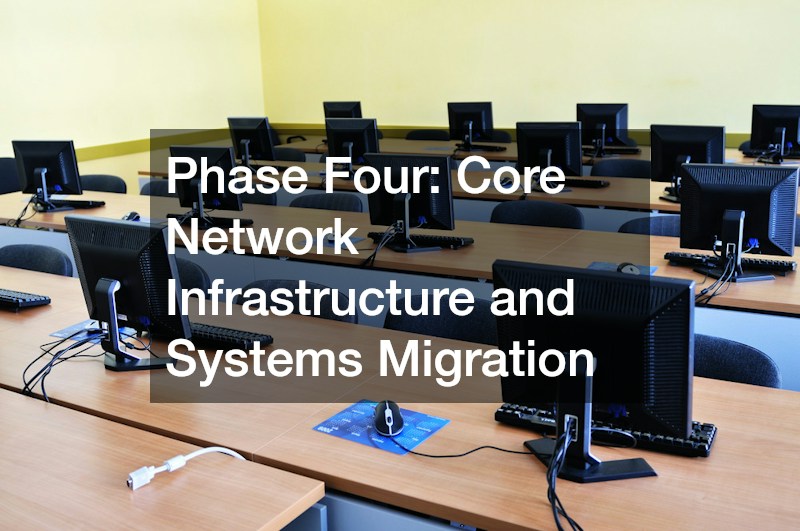
Modern business operations depend entirely on uninterrupted digital connectivity. Moving desks and filing cabinets is relatively straightforward compared to migrating data centers, network switches, cloud gateways, and telecommunications circuits. Prolonged system downtime directly damages customer trust and operational revenue, making digital infrastructure migration one of the most critical elements of the relocation timeline.
Organizations frequently partner with a provider of managed IT solutions to oversee technical infrastructure cutovers. Technical specialists conduct comprehensive site surveys of the new facility, design structured low-voltage cabling plants, and coordinate the physical installation of enterprise fiber circuits with commercial internet service providers. Because telecommunications carriers often require several months of lead time to deliver fiber connections, initiating this work early prevents catastrophic launch delays.
Technical teams must establish a redundant migration timeline that protects mission-critical systems. Server configurations, active directory profiles, and network storage repositories should be mirrored and backed up prior to disconnecting any hardware. Scheduling core switch cutovers over a weekend provides engineers with the dedicated maintenance window necessary to test network ports, firewalls, and audiovisual systems before staff arrive on Monday morning.
Phase Five: Digital Threat Mitigation and Hardware Custody
Corporate relocations create distinct vulnerabilities that bad actors can exploit. When office workstations, proprietary storage drives, and corporate networking appliances are being disconnected, boxed, and transported across town, traditional physical perimeter defenses are temporarily disabled. Disconnected hardware and transient wireless networks create opportunities for unauthorized data interception and hardware theft.
Forward-looking organizations engage an independent cyber security company to supervise data protection standards throughout the move. Specialized consultants review chain-of-custody protocols for hardware containing sensitive customer data, monitor temporary remote-access configurations, and audit endpoint encryption on mobile laptops used by staff during the transition. Their oversight ensures that temporary operational disruption does not compromise enterprise compliance with data privacy mandates.
Hardware decommissioning also demands rigorous security controls. When companies upgrade their technology stack during a move, retired desktop towers, server blades, and multifunction printers cannot simply be tossed into recycling bins. Certified technicians must sanitize storage media using cryptographic wipe tools or complete physical destruction. Obtaining formal certificates of data destruction protects the business against regulatory fines and long-term legal exposure.
Phase Six: Interior Surface Preparation and Commercial Finishes
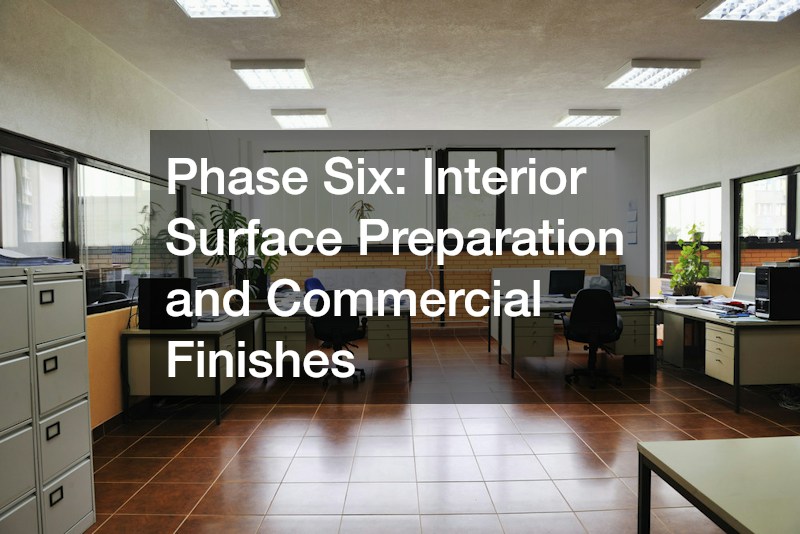
Commercial lease spaces rarely match an incoming tenant’s functional preferences or brand aesthetic in their original condition. Previous tenants often leave behind scuffed walls, patched drywall, outdated color palettes, and worn trim. Refreshing interior surfaces is a vital first step in transforming an impersonal commercial unit into a professional, productive workplace.
Facilities managers routinely contract a qualified commercial painting company to restore drywall surfaces and apply durable architectural finishes. Professional painters apply low-VOC industrial wall coatings that eliminate lingering chemical odors, ensuring healthy indoor air quality for returning employees. Their crews also coordinate their application schedules around flooring installers and electrical contractors to protect wet surfaces and prevent accidental scuffing.
Strategic color choices do more than improve aesthetics; they influence employee focus and reinforce organizational identity. Neutral tones along open office expanses maximize natural light dispersion, while vibrant brand accents in reception lobbies and collaborative lounges stimulate creative energy. Investing in high-durability, washable wall coatings ensures that corridors, meeting rooms, and break spaces maintain their crisp, professional appearance under the rigors of heavy daily foot traffic.
Phase Seven: Exterior Architectural Signage and Municipal Permitting
An enterprise’s physical presence in the local business community begins at the exterior property perimeter. Clear, commanding exterior signage welcomes prospective clients, reinforces corporate credibility, and provides essential directional visibility for delivery drivers and visiting vendors. However, mounting exterior architectural elements involves intricate legal and municipal hurdles that require diligent advance planning.
Procuring an exterior business sign requires early submission of detailed architectural drawings to local municipal planning commissions. Fabricating and installing a permanent exterior monument or building display must strictly comply with regional zoning laws, setback requirements, structural wind-load tolerances, and illumination ordinances. In multi-tenant corporate parks, commercial landlords also enforce architectural review criteria governing sign dimensions, lettering fonts, and mounting brackets.
Because engineering approvals, landlord sign-offs, and city permit reviews often take several months, facilities leaders must initiate the fabrication process shortly after signing the lease agreement. Electrical contractors must verify dedicated circuits, conduits, and automatic timer controls for illuminated displays. Coordinating these physical installations well ahead of moving day ensures that the brand presence is fully established before opening day.
Phase Eight: Interior Environmental Graphics and Wayfinding

After exterior architectural elements are addressed, attention shifts to the interior visitor and employee experience. Large modern office layouts can feel intimidating and confusing without intuitive visual guidance. Well-conceived environmental graphics bridge this gap, directing foot traffic effortlessly toward departments, conference facilities, private phone booths, and emergency evacuation exits.
Interior designers and project managers incorporate high-resolution printed graphics to create purposeful wayfinding systems throughout the facility. Applying custom graphic films to interior glass conference rooms provides essential privacy for sensitive meetings while adding elegant frosted patterns that elevate the overall architectural atmosphere. Wall murals in staff cafeterias and training rooms communicate core corporate values and celebrate team milestones.
Phase Nine: Physical Asset Transport and Heavy Logistics
The physical moving weekend represents the operational peak of the entire project lifecycle. Transporting hundreds of modular workstations, executive conference tables, sensitive server racks, and delicate electronic peripherals requires industrial precision. Standard delivery couriers lack the specialized equipment, labor force, and insurance coverage necessary to execute a complex commercial transition safely.
Retaining experienced commercial movers guarantees that valuable enterprise assets are packed, protected, and transported according to professional standards. Certified logistics crews utilize specialized computer crates, anti-static foam wraps, hydraulic liftgates, and building protection materials that safeguard lobby elevators, door jambs, and luxury flooring from accidental scrapes. Their logistics managers orchestrate loading dock reservations to ensure steady, uninterrupted workflow during the physical move.
A meticulous labeling system is essential for a frictionless physical relocation. Every plastic crate, monitor sleeve, and peripheral box must bear a color-coded, alphanumeric tag that corresponds directly to the destination floor plan. When moving crews unload freight at the new facility, each item proceeds directly to its assigned office or workstation rather than congregating in a disorganized staging area. This systematic delivery protocol empowers employees to unpack swiftly and resume productive work without searching through misplaced boxes.
Phase Ten: Environmental Sanitization and Lease Turnover Compliance
Once moving trucks have completed their final deliveries, facilities teams face two simultaneous physical priorities: preparing the new office for immediate staff occupancy and fulfilling leasehold restoration obligations at the vacated property. Most commercial lease contracts include strict broom-clean covenants requiring outgoing tenants to remove all debris and restore surfaces before receiving security deposit refunds.
Facilities directors contract specialized commercial cleaning services to address both properties concurrently. At the newly finished facility, professional custodial teams perform detailed post-construction sanitization, removing lingering drywall dust, wiping adhesive residues from newly installed windows, and extracting debris from freshly laid carpets. Sanitizing food-preparation surfaces, coffee stations, and corporate restrooms ensures a hygienic, welcoming environment for staff on their first morning.
Operational Launch: Settling In and Post-Move Governance
The true success of an office relocation is ultimately judged by the speed and grace with which an organization resumes regular business velocity. Opening morning should feel like an organized milestone rather than a disorienting crisis. Staff members entering the building should find powered workstations, functional internet connectivity, operational printing stations, and clean personal work areas waiting for them.
Leadership teams should deploy a dedicated on-site help desk in a central conference room during the first two weeks of occupancy. Cross-functional representatives from facilities management, technical support, and office operations can immediately field questions regarding keycard activations, conference room scheduling software, and climate control preferences. Resolving minor workplace friction quickly allows employees to remain focused on core operational objectives and client service.
Finally, project managers must conduct an exhaustive post-move administrative audit to close out the project. Facility warranties must be cataloged, final construction lien waivers secured, and security deposit returns confirmed against original lease covenants. Completing this disciplined governance cycle ensures that the commercial office move not only preserves capital and operational momentum but also serves as an inspiring launchpad for organizational achievement.
