
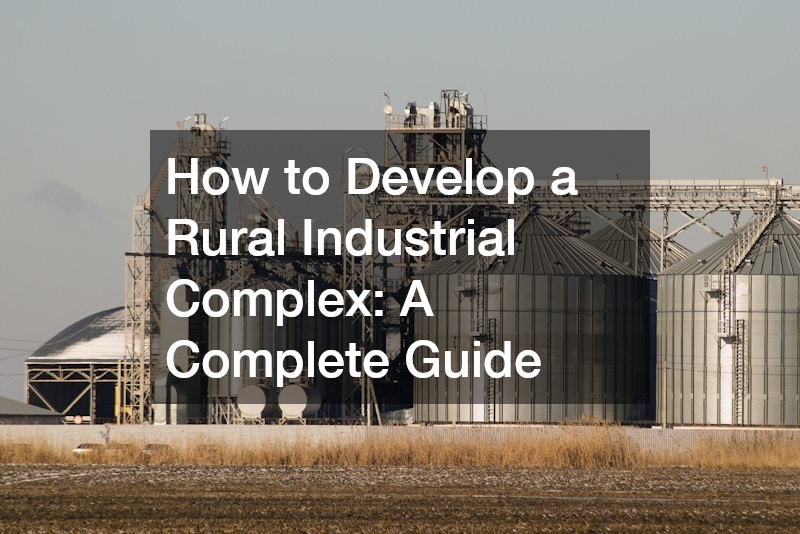
The industrial landscape is shifting. For decades, the standard playbook for manufacturing, processing, and heavy industry involved securing real estate in pre-zoned industrial parks on the outskirts of major cities. However, a combination of rising urban land costs, restrictive zoning ordinances, and the logistical nightmare of city traffic is driving a new trend: the rural industrial complex.
Moving operations to a rural setting offers immense advantages. Land is plentiful and affordable, allowing for expansive facility footprints that would be cost-prohibitive in a metropolitan area. There is often easier access to raw materials, particularly for industries related to agriculture, timber, or mining. Furthermore, rural municipalities are often eager for economic development, offering tax incentives and streamlined permitting processes to attract jobs.
However, developing a sophisticated industrial facility miles away from the nearest city center presents a unique set of challenges. The “infrastructure” in these areas often consists of a two-lane highway and a standard power line. There are no municipal water hookups, no high-speed fiber optic bundles waiting at the curb, and perhaps most critically, no immediate access to the specialized support services required to build and maintain a modern facility.
When you build in the backcountry, you cannot simply rely on general contractors to handle every aspect of the project. The margin for error is slimmer because help is further away. A power failure isn’t a thirty-minute fix; it could be a two-day outage. Security isn’t just about a fence; it’s about monitoring a perimeter that might stretch for acres without a neighbor in sight. To succeed, project managers must curate a network of specialized services that can bridge the gap between a raw field and a fully operational, high-tech industrial complex.
This guide explores the essential lifecycle of developing a rural industrial site. We will look past the general construction needs and dive into the specific, heavy-duty services required to establish security, ensure structural integrity, guarantee power reliability, and maintain efficient operations in a remote environment.
Establish a Versatile and Secure Base of Operations
The first week on a rural site is often the most chaotic. Before foundations are poured or steel is erected, you must establish a functional base of operations. In an urban setting, you might just rent a nearby office or utilize existing structures. In a rural field, you are starting from zero. The priority is twofold: securing expensive tools and materials against theft and weather, and establishing safe access to underground utilities or shelters.
Rapid Deployment Storage and Offices
One of the immediate hurdles is the lack of secure, weather-tight structures. Bringing in stick-built temporary sheds is often a waste of labor and materials, as they offer little security against determined thieves and are susceptible to the high winds common in open rural areas. A superior solution for site mobilization is the acquisition of a used shipping container.
These units provide an immediate, hardened shell that can serve multiple purposes. For a project manager, a container can be easily modified into a climate-controlled site office with satellite internet connectivity, serving as the command center for the build. For the crew, it acts as a high-security locker for expensive surveying equipment, generators, and power tools. Unlike wooden sheds, the heavy-gauge steel construction is virtually impervious to casual break-in attempts, which is critical when the site is left unattended overnight in a remote location. Furthermore, once construction is complete, these containers can be repurposed as permanent storage for hazardous materials or groundskeeping equipment, offering long-term value beyond the initial build phase.
Securing Subterranean Infrastructure
Rural industrial complexes often rely heavily on underground infrastructure. Without municipal storm drains or city water, these sites frequently utilize large underground cisterns, pump houses for well water, and extensive storm shelters for crew safety during tornado season. The entry points to these subterranean spaces are critical weak points. A standard flat trapdoor is insufficient for industrial applications; it allows water to pool and inevitably leaks, damaging expensive pumps or flooding emergency shelters.
To ensure long-term viability, developers should prioritize professional bulkhead door installation. These angled, pre-cast, or steel doors are designed to shed water effectively, preventing the accumulation of rain and snow melt that ruins underground equipment. In an industrial context, these doors must be heavy-duty enough to withstand accidental impacts from site machinery while providing a seal tight enough to keep out rodents and snakes seeking warmth. A properly installed bulkhead system also ensures that these spaces remain accessible even after heavy snowfalls, guaranteeing that maintenance teams can reach critical utility shut-offs or that staff can access shelters instantly during a weather emergency.
- Perimeter Definition: clearly mark property lines to prevent disputes with neighboring agricultural operations.
- Access Roads: Stabilize the main entry road immediately with heavy aggregate to prevent construction vehicles from bogging down in mud.
- Temporary Power: Establish a generator farm or temporary pole drop to power the initial site office and security lighting.
- Sanitation: Since septic systems won’t be online yet, arrange for long-term portable sanitation servicing.
Maximize Efficiency During Vertical Construction
Once the site is prepped and the slab is poured, the vertical construction phase begins. Rural sites often lack the flat, paved aprons found in city construction zones. The ground is likely rough, uneven, and potentially muddy. This terrain dictates the type of machinery you need to erect the steel skeleton of your facility and the specialized expertise required to make the components fit.
Navigating Rough Terrain
Erecting a steel building involves high work: bolting beams, installing lighting grids, running overhead fire suppression lines, and hanging HVAC ductwork. In a paved parking lot, a standard scissor lift suffices. On a rural construction site where the exterior ground is still raw earth, standard lifts will get stuck or threaten to tip over.
Project managers must budget for a boom lift rental specifically designed for rough terrain. These units feature four-wheel drive, oscillating axles, and aggressive tread tires that allow them to traverse mud and gravel with stability. Beyond just mobility, the type of boom matters. A telescopic boom offers maximum reach and speed for straight-up applications, which is ideal for exterior sheeting. However, for interior mechanical work where crews must reach over and around trusses or installed machinery, an articulating boom is essential. Renting this equipment rather than buying allows the site manager to swap out machine sizes as the building progresses, ensuring the crew always has the right reach for the specific phase of construction, from structural steel to final electrical trim.
Custom Structural Solutions
While pre-engineered metal buildings are common in rural development, they rarely fit the specific operational needs of a complex industrial process perfectly. You might find that the standard loading dock height doesn’t match your specific fleet of trucks, or that the mounting points for a heavy overhead crane were omitted from the original drawings.
This is where a partnership with a skilled metal fabrication contractor becomes indispensable. You need a team that can come to the site and modify structural steel on the fly. This goes beyond just welding; it involves fabricating custom brackets for heavy machinery, building safety cages for ladders, creating bespoke catwalks for equipment access, or modifying gate systems to handle oversized agricultural implements. A local fabricator can also be vital for creating custom guards and rails that meet OSHA standards but aren’t available as off-the-shelf parts. Having a fabricator on call prevents minor structural incompatibilities from stalling the entire construction schedule, keeping the critical path clear.
- Safety Protocols: Rural sites may be far from emergency services; high-work safety protocols must be stricter than average.
- Wind Management: Cranes and lifts have strict wind ratings. In open rural areas, wind gusts are frequent. Monitor weather constantly to avoid accidents.
- Material Staging: Plan laydown areas carefully so that steel delivery trucks don’t block the movement of boom lifts and cranes.
Fortify Your Facility Against Environmental Threats
A building in the middle of a city is protected by the “herd.” Adjacent skyscrapers block the wind, and the urban heat island effect can mitigate snow accumulation. A rural industrial complex stands alone. It is fully exposed to the elements, taking the brunt of wind shears, hail storms, and thermal cycling. Furthermore, the isolation of the site changes the security dynamic, necessitating a hardening of the building envelope that goes beyond standard code requirements.
The First Line of Defense: The Roof
The roof of a rural facility is its most vulnerable asset. Without neighboring structures to break the wind, a rural building experiences significantly higher uplift forces during storms. A standard residential-grade application or a poorly fastened membrane will peel off in a severe thunderstorm, exposing millions of dollars of equipment to water damage. Because the facility is remote, getting an emergency repair crew to the site immediately after a storm is often impossible, as they will prioritize local urban clients first.
Therefore, engaging a high-end commercial roofing service during the design phase is critical. For rural applications, durability and low maintenance are the priority. Metal roofing systems, specifically standing seam metal roofs, offer exceptional resistance to high winds and hail. Alternatively, TPO (Thermoplastic Polyolefin) membranes are popular for flat industrial roofs, but in rural areas, they must be fully adhered (glued) rather than just mechanically fastened to prevent billowing. The roofing partner should also design a drainage system that accounts for the high volume of water runoff that occurs on large industrial footprints, ensuring it is directed away from the foundation to prevent erosion.
Hardening the Shell
Windows and doors are the weak points in any security plan, but in rural areas, they face a dual threat: forced entry and projectile damage. The response time for law enforcement in rural counties can be thirty minutes or more. This delay makes standard glass a liability, as it allows thieves ample time to breach and enter. Additionally, severe weather in open country kicks up debris—tree limbs, gravel, and hail—that can shatter standard glazing instantly.
To mitigate these risks, developers should invest in impact window and door installation. Originally designed for hurricane zones, these laminated glass systems are virtually impenetrable to blunt force. If struck by a flying branch or a sledgehammer, the glass may crack, but the interlayer holds it together, maintaining the seal of the building. This prevents wind and water from entering the facility during a storm and denies entry to burglars. Using impact-resistant doors at all personnel entry points adds a layer of physical security that reduces the reliance on electronic monitoring systems, which may be vulnerable to rural power and internet outages.
- Gutter Maintenance: Keep gutters clear of leaves and bird nests, which are more prevalent in rural areas, to prevent ice dams in winter.
- Sealant Inspection: The high UV exposure in open fields degrades caulk and sealants faster. Inspect expansion joints annually.
- Trim Trees: Keep the perimeter clear of large trees that could fall on the structure during high winds.
Ensure Reliable Power and Accurate Logistics
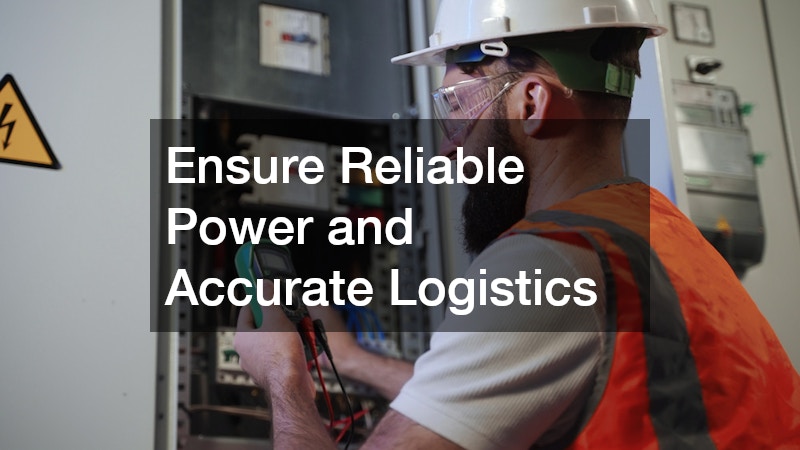
Once the shell is secure, the focus shifts to the nervous system of the facility: electricity and logistics. Rural utility grids are often antiquated, designed to support farmhouses and light irrigation, not heavy industrial loads. Furthermore, the business model of a rural complex often revolves around the processing of bulk goods, making the accurate measurement of weight a direct correlation to revenue.
Powering Up Remote Locations
Connecting a new industrial complex to a rural grid is rarely a “plug and play” operation. You may find that the local lines only offer single-phase power, while your motors and heavy machinery require three-phase power. Even if the capacity exists, rural grids are susceptible to “brownouts” and voltage fluctuations that can burn out sensitive electronic controls on modern manufacturing equipment.
It is imperative to work with a commercial electrical company that specializes in industrial power distribution. They can conduct a load analysis to determine if the local utility needs to upgrade transformers at the street level. More importantly, they can design and install a robust backup power system. In rural areas, standby generators are not a luxury; they are a requirement. A specialized electrical contractor will ensure these generators are sized to handle the startup inrush current of your heavy machinery and are integrated with automatic transfer switches to ensure seamless operation during grid failures. They can also install power conditioning equipment to smooth out the dirty power often found at the end of rural distribution lines.
The Economics of Weight
For many rural industries—whether it’s a grain elevator, a scrap metal yard, or a fertilizer plant—the product is bought and sold by weight. Inaccuracies here bleed profit. If a truck scale is off by even a fraction of a percentage, the cumulative loss over thousands of truckloads can be catastrophic. Conversely, giving away too little product can result in regulatory fines and damaged customer relationships.
To ensure fiscal integrity, the facility must integrate solutions from reputable industrial scale companies. This goes beyond just buying a scale; it involves the strategic placement and calibration of heavy-duty truck scales that can withstand the constant pounding of 80,000-pound vehicles. These companies also provide floor scales for palletized goods and hopper scales for bulk material. Crucially, they offer calibration services to certify that the scales are “legal for trade,” a necessary compliance step for commercial transactions. Integrating these scales with digital inventory management software allows for real-time tracking of every pound of material entering and leaving the complex, reducing theft and administrative errors.
- Surge Protection: Install whole-facility surge suppression to protect against lightning strikes, which are common in flat, rural terrain.
- Traffic Flow: Design the approach to truck scales with long, straight lanes to prevent queuing trucks from backing up onto the main highway.
- Redundancy: Keep spare parts for critical electrical components (fuses, breakers) on-site, as the nearest supply house may be hours away.
Streamline Material Flow and Mitigate Local Hazards
The final piece of the puzzle is operational efficiency and grounds management. A rural complex typically handles high volumes of raw materials that are messy, heavy, and difficult to move. At the same time, the facility must coexist with the local ecosystem, which includes wildlife that can be surprisingly destructive to industrial infrastructure.
Moving Mountains of Material
Manual handling of bulk materials is the enemy of efficiency. In a rural industrial setting—such as a feed mill, a sawmill, or an aggregate processor—profitability relies on throughput. You cannot rely on forklifts alone to move loose material like grain, wood chips, or ore. It is slow, dangerous, and fuel-intensive.
The integration of automated bulk material handling equipment is essential for scaling operations. This includes belt conveyors to move product over long distances, bucket elevators for vertical lifting, and pneumatic systems for moving powders or fine grains through enclosed tubes. Properly designed handling systems reduce the reliance on manual labor, which can be hard to source in sparsely populated areas. They also significantly reduce workplace injuries associated with heavy lifting and dust inhalation. When designing the facility, space must be allocated for these fixed systems, ensuring they have maintenance access and are protected from the weather.
Managing the Local Ecosystem
One of the most overlooked aspects of rural development is the impact of local wildlife, specifically invasive species. In many rural regions, wild hogs are a massive destructive force. They are not merely a nuisance; they are an industrial hazard. A sounder of wild hogs can root up acres of landscaping in a single night, causing erosion that threatens roadbeds and foundations. They can damage irrigation lines, compromise perimeter fences, and even attack employees.
Managing this threat requires more than a high fence. Facility managers often need to engage a professional hog trap service. These services utilize high-tech, cellular-connected corral traps that can capture entire sounders at once, rather than catching one or two and educating the rest to avoid the trap. Professional management ensures that the population is controlled humanely and effectively, protecting the physical grounds of the complex and preventing costly damage to the extensive landscaping and earthworks that support the facility. Ignoring this biological threat can lead to thousands of dollars in recurring repair costs for grounds maintenance.
- Dust Control: Bulk handling generates dust. Install collection systems to prevent explosion hazards and protect worker health.
- preventive Maintenance: Schedule downtime for conveyor maintenance. A broken belt can halt the entire production line.
- Perimeter Checks: Inspect fences weekly for signs of animal digging or breaches to maintain site integrity.
Conclusion
Developing a rural industrial complex is a high-stakes venture that requires a shift in mindset. You are building an island of industry in a sea of undeveloped land. This isolation offers freedom and space, but it demands a higher level of self-sufficiency and foresight. You cannot depend on municipal safety nets or immediate vendor support.
